Cart 0
Cart 0
english, eur
english
  • SHOP in € EUR
  • SHOP in $ USD
  • SHOP in £ GBP
français
  • ACHETEZ en € EUR

Full Grain Leather Sneakers

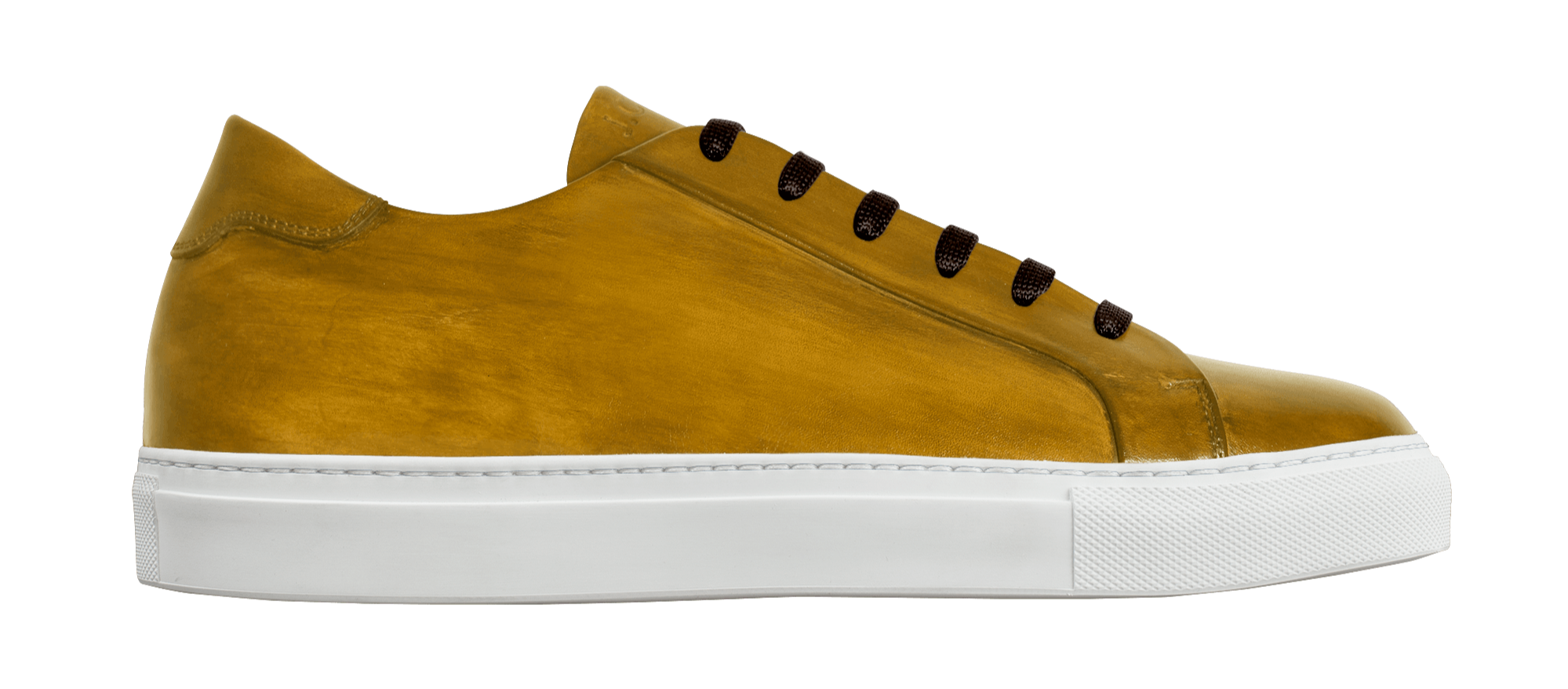
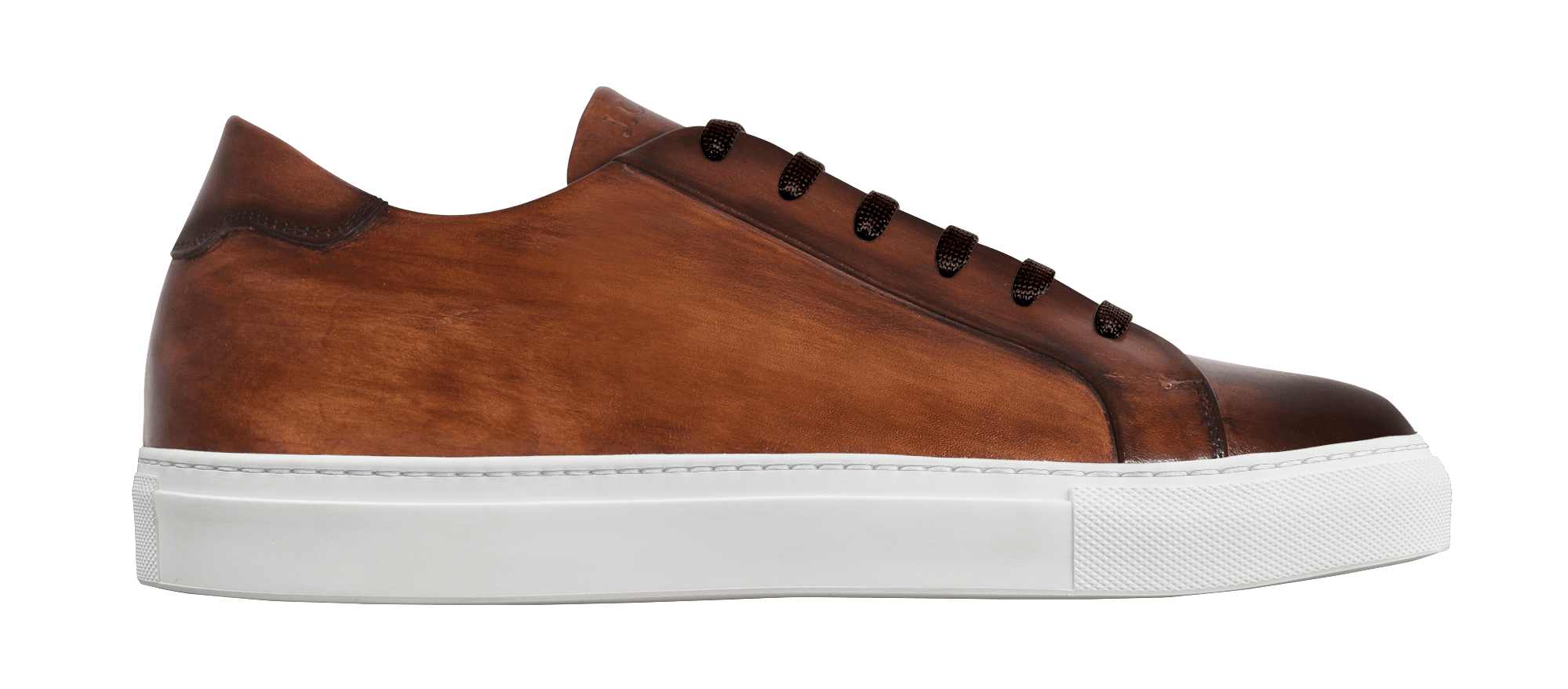
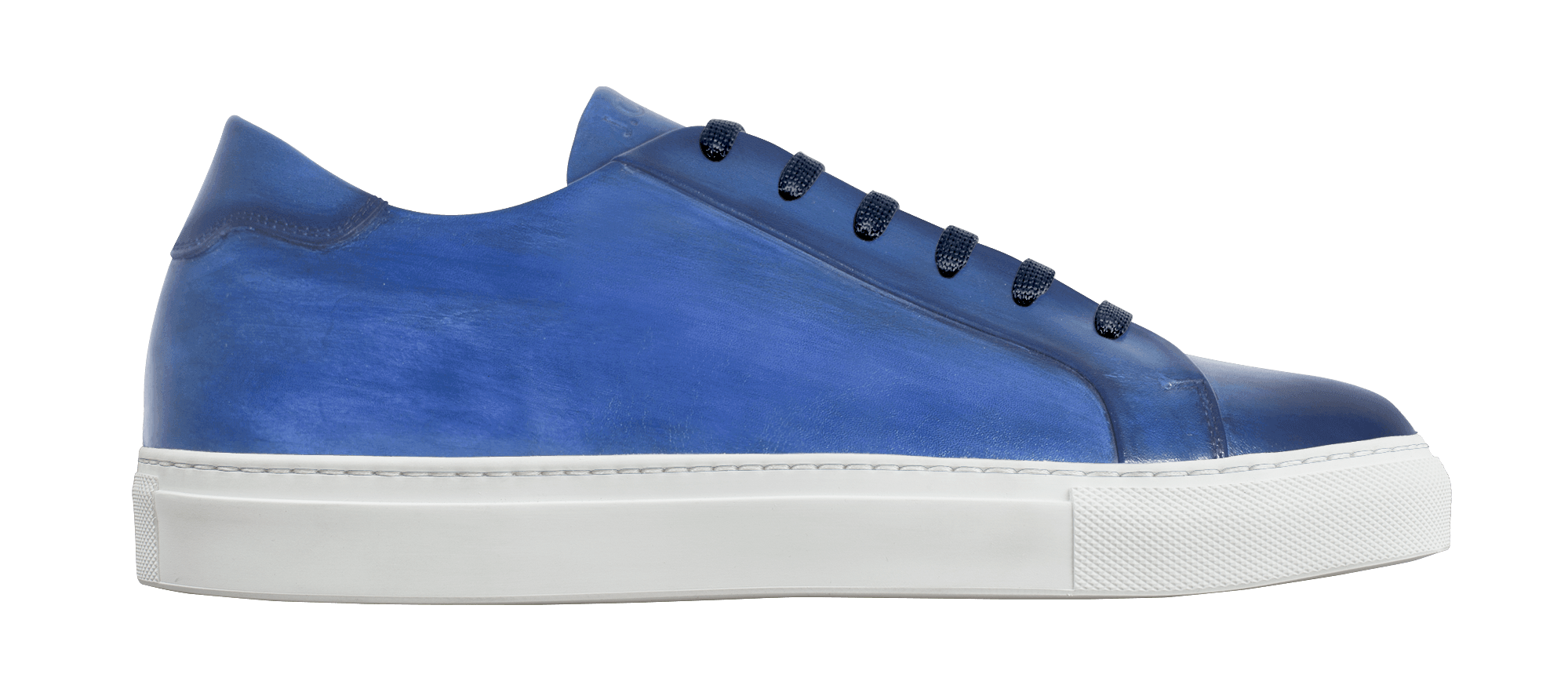
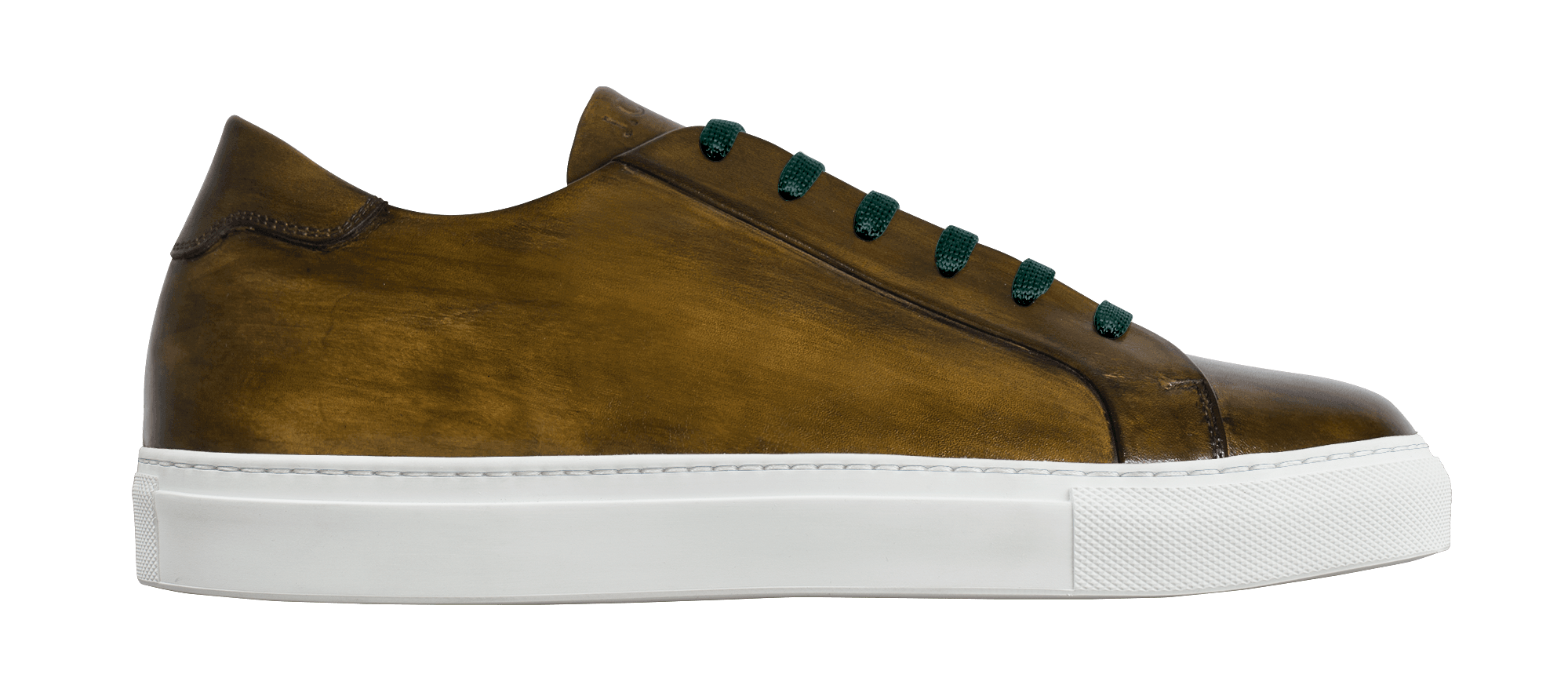
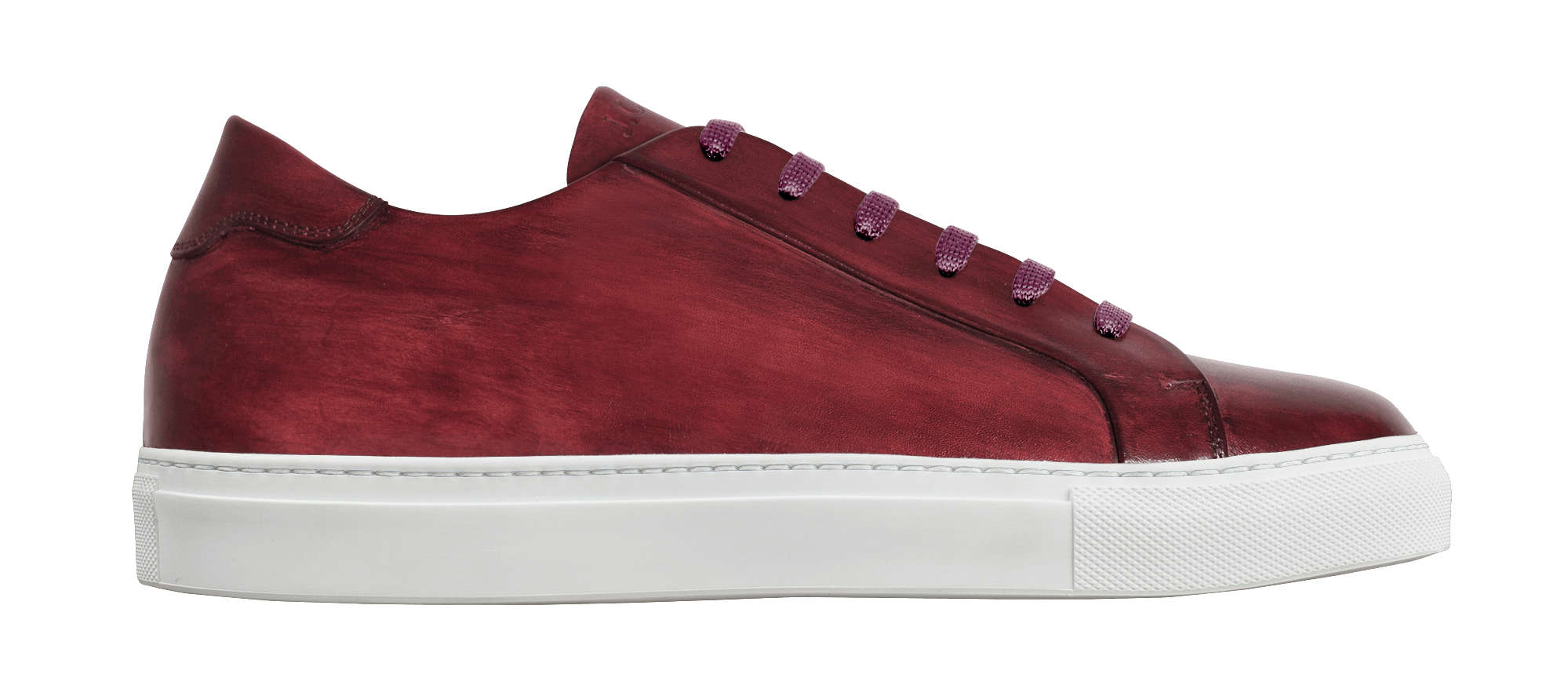
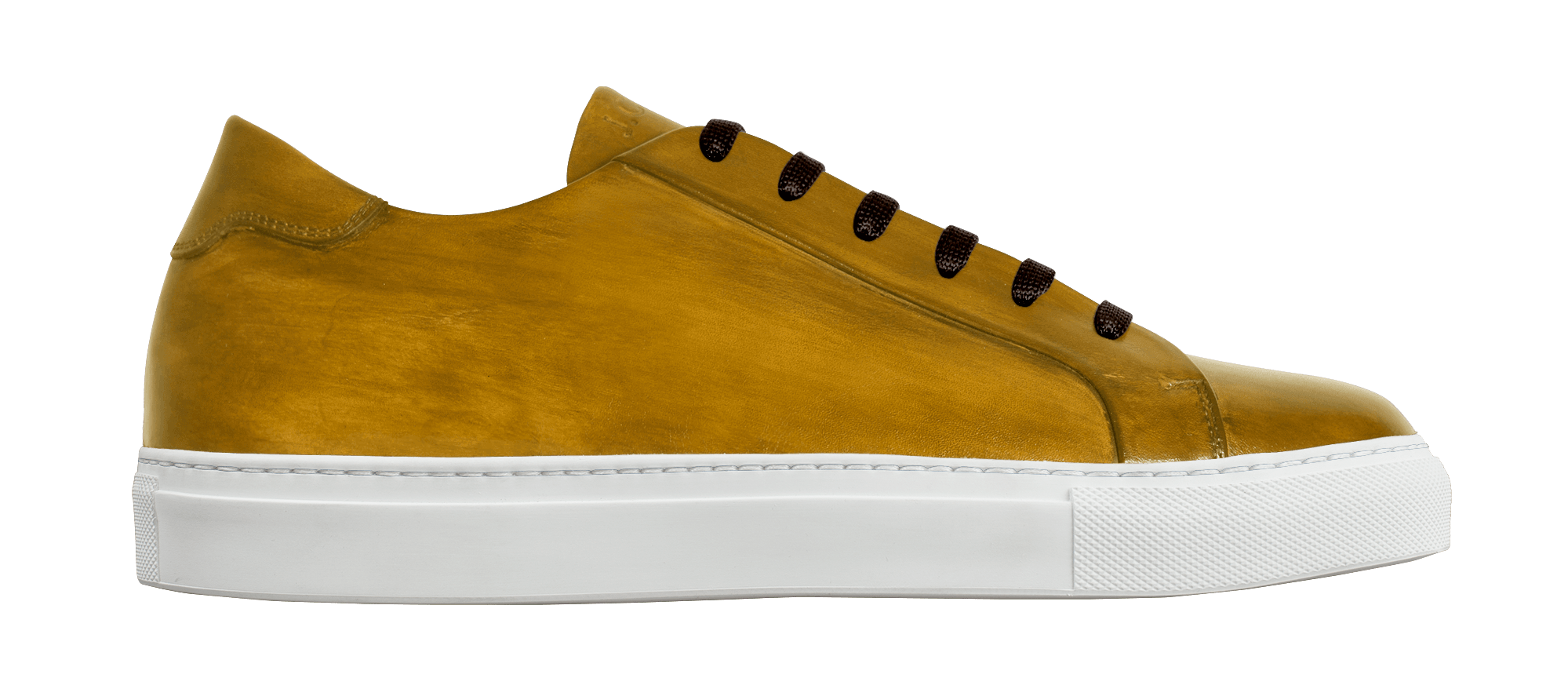
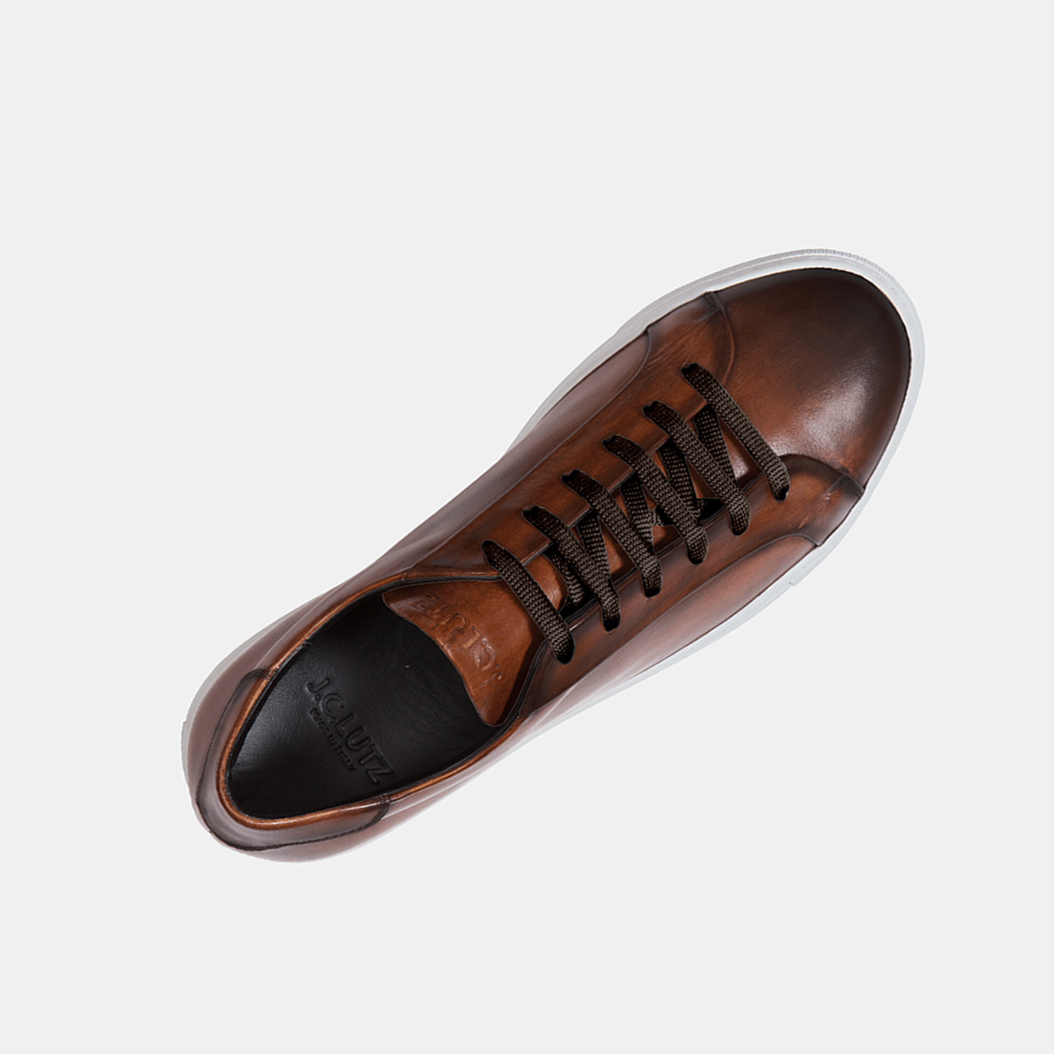
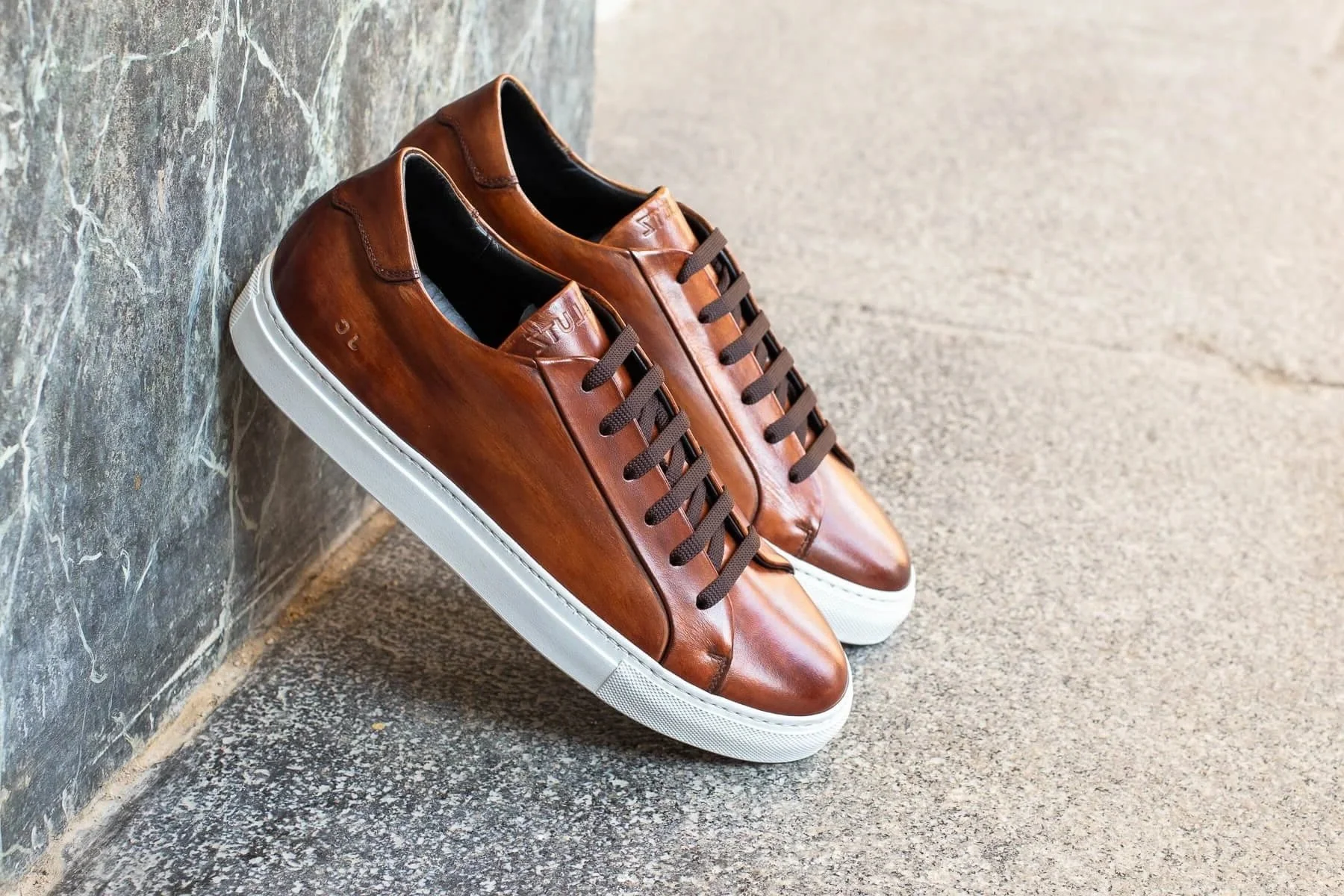
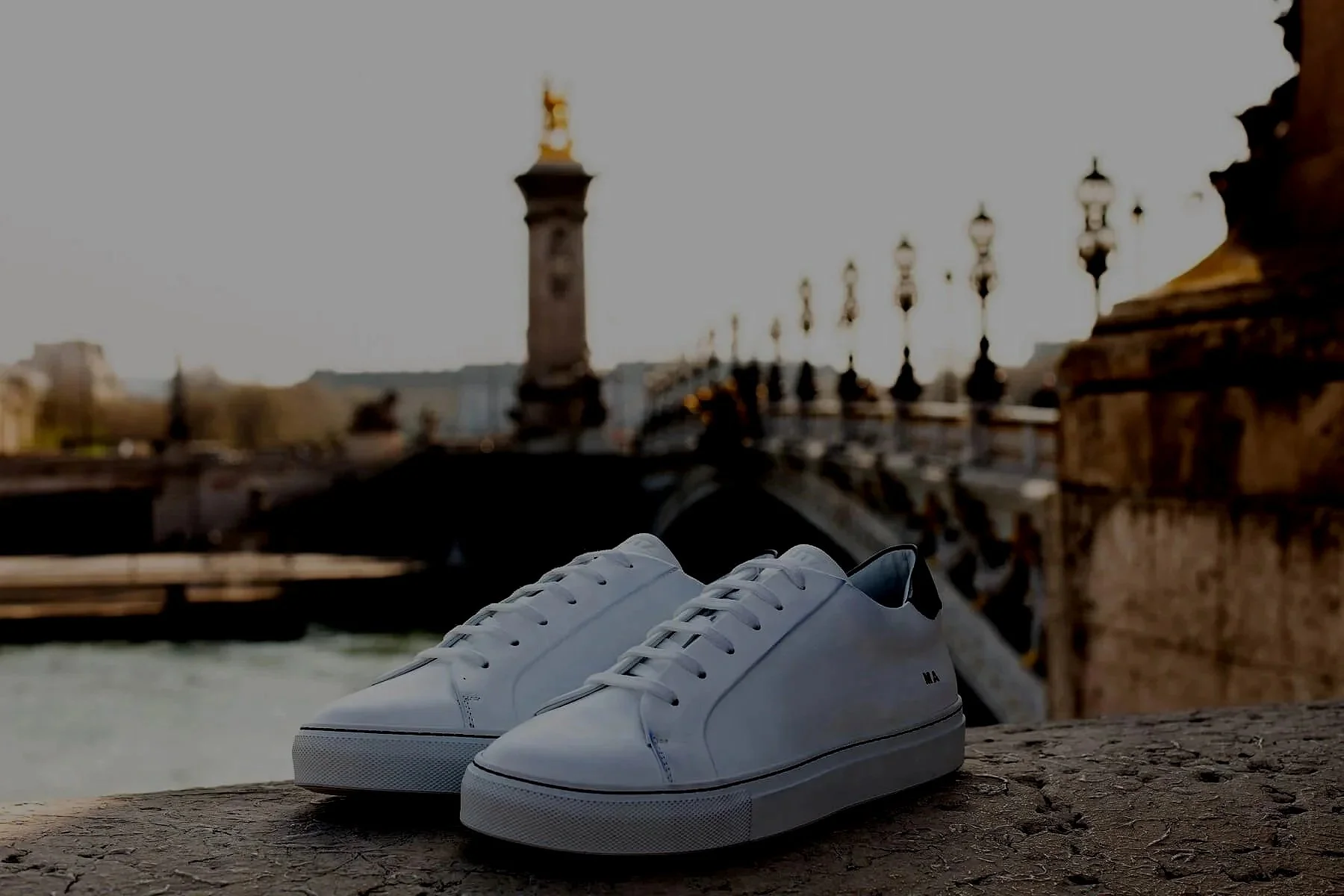
Born in Paris. Handcrafted in Italy. Made to order. J.C.LUTZ offers full-grain leather sneakers for specific configurations, using vegetable-tanned hides that are hand-painted at the atelier and cut only after a craftsman inspects each one. If leather quality, natural grain, and how a sneaker develops with wear matter to you, full grain is a material choice worth understanding before designing your pair. Leather grade, tanning, and finish are three separate decisions, and each affects how a sneaker looks, feels, and ages. Full grain sits alongside Calf and Suede in the J.C.LUTZ range, giving you a specific leather option within a broader customization process.
 
Tilden 240322 web-51.jpg
 

What "Full Grain" Actually Means


Leather grade, leather tanning, and leather finish are often collapsed into one marketing term, but they describe different specifications. Full grain refers to the grade of the leather. The hide retains its outer grain layer rather than having the surface sanded or buffed to correct or cover imperfections. This keeps more of the natural grain and fiber structure visible instead of smoothing it away.

That makes Full Grain different from top-grain leather, the industry term for a surface-corrected hide. It is also different from grained leather, including martellata, which describes an embossed surface effect, and tumbled leather, which is drum-softened to change its feel and appearance. Those terms describe surface treatment or processing rather than the same leather grade.


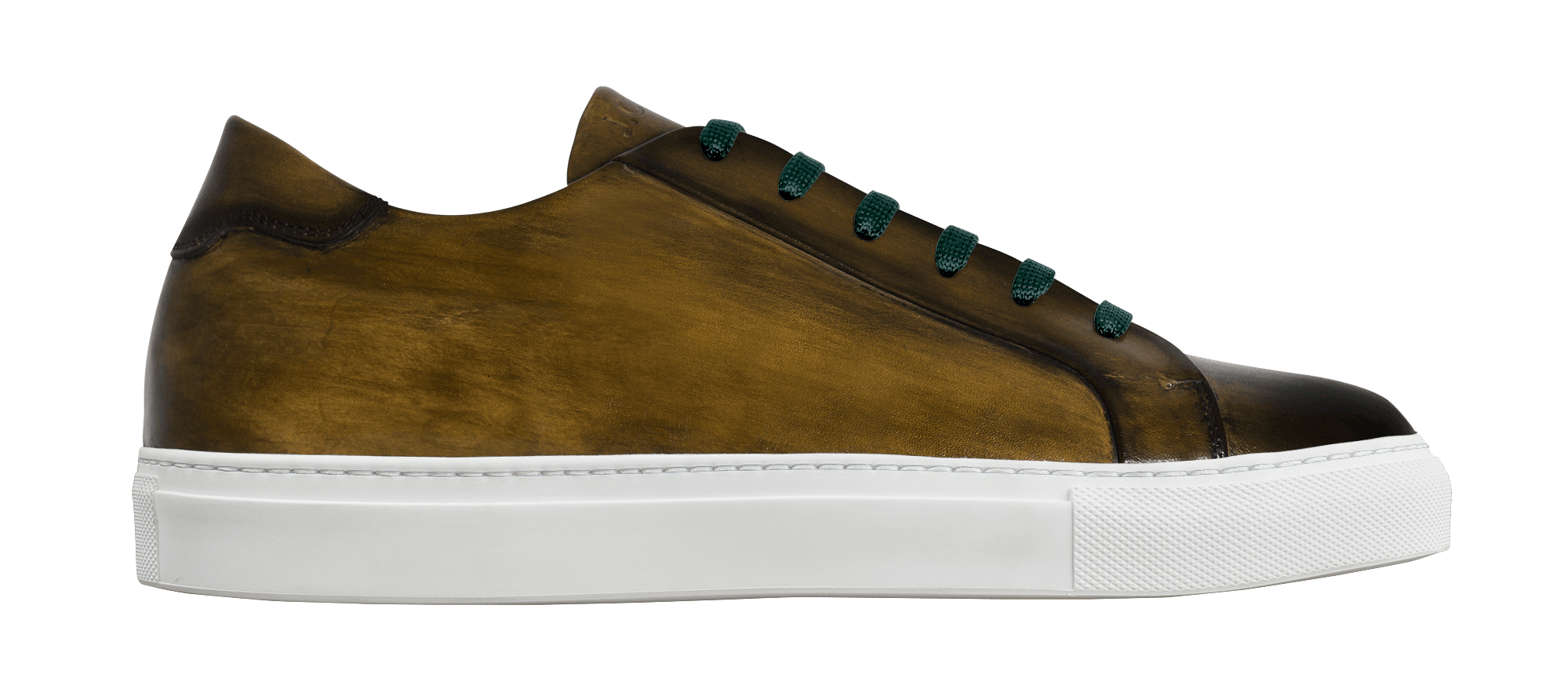
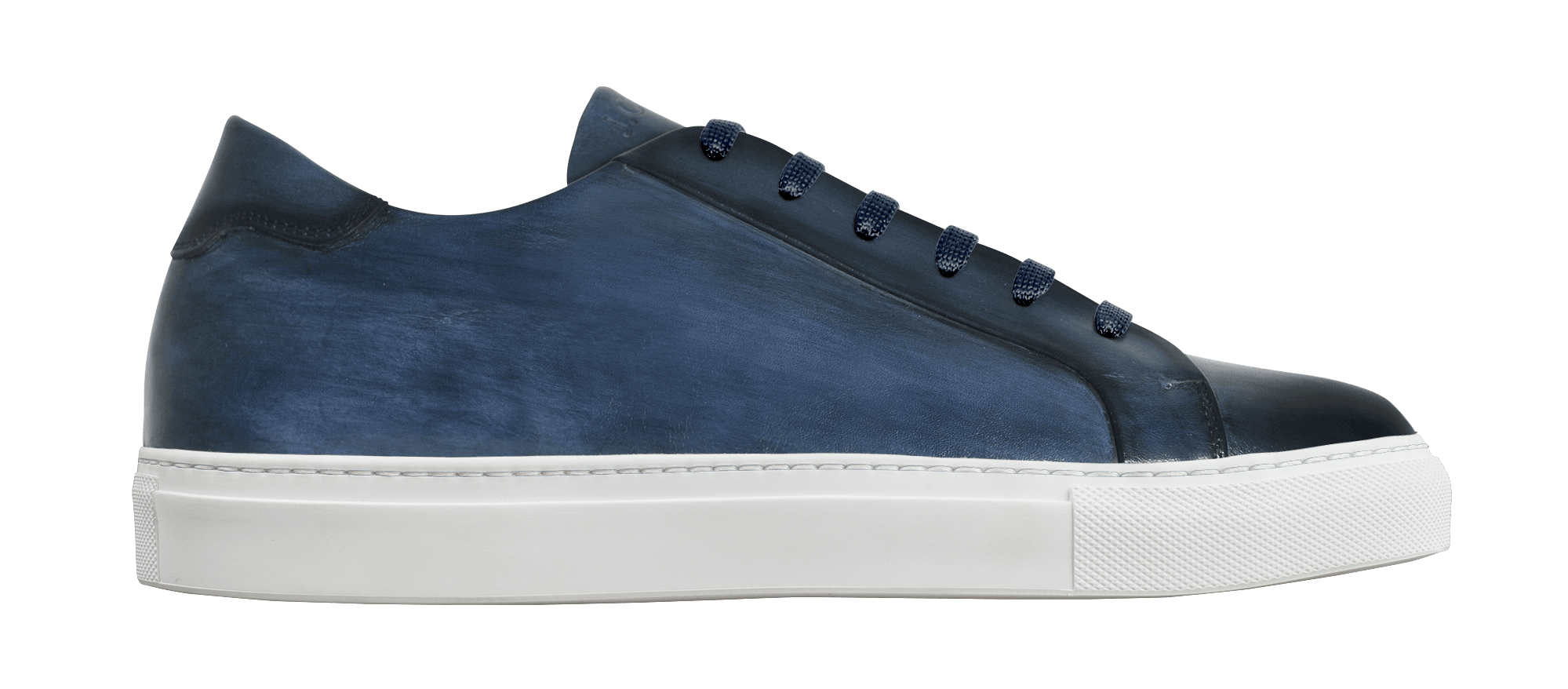
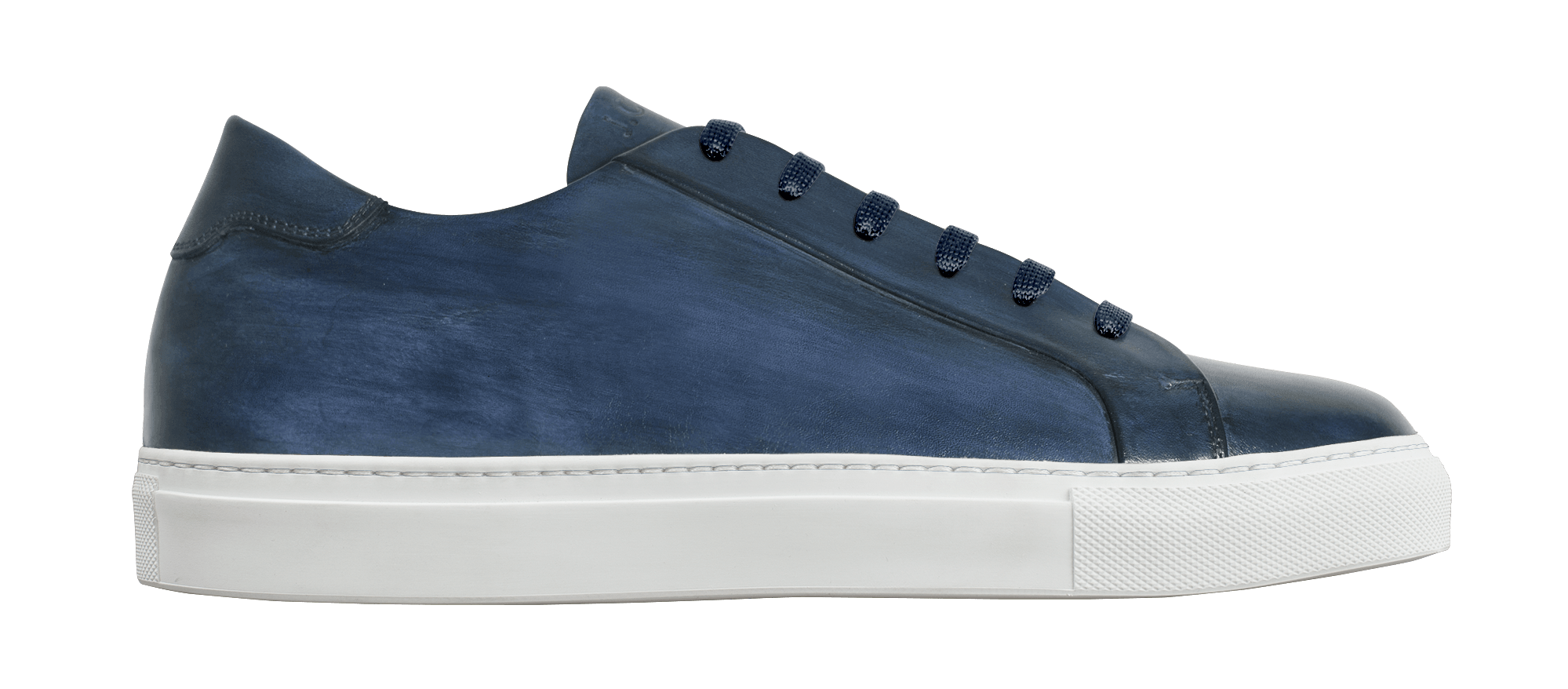
Tanning is another separate specification. J.C.LUTZ uses vegetable-tanned Full Grain leather for its Full Grain option. The tanning takes place before the leather arrives at the atelier, while the hand-painted color is applied afterward. Full grain therefore describes the leather grade, vegetable tanning describes how the leather was tanned, and hand painting describes how the finished color is applied. Hand painting can also be applied with or without a patina effect at the tip and stitches, which changes how the finished pair ultimately looks.

This distinction gives you a better way to evaluate a leather sneaker. Instead of treating "full grain" as a complete description of the shoe, you can consider the grade alongside its tanning, finishing, construction, care requirements, and intended use.


The J.C.LUTZ Full Grain Build


J.C.LUTZ sources vegetable-tanned, full-grain hides. The tanning happens before the leather arrives at the atelier, and the hand-painted color is applied afterward. This separates the characteristics of the leather itself from the finishing process that gives the pair its final appearance. This grade is also sturdier than corrected leathers, which is part of why it lasts longer, though it can mean a slightly firmer break-in at first.

The uppers are hand-clicked, meaning the leather is cut only after a craftsman has checked fiber direction, surface consistency, and panel placement on the specific hide. This allows the cutting process to account for the characteristics of the material being used for that pair.

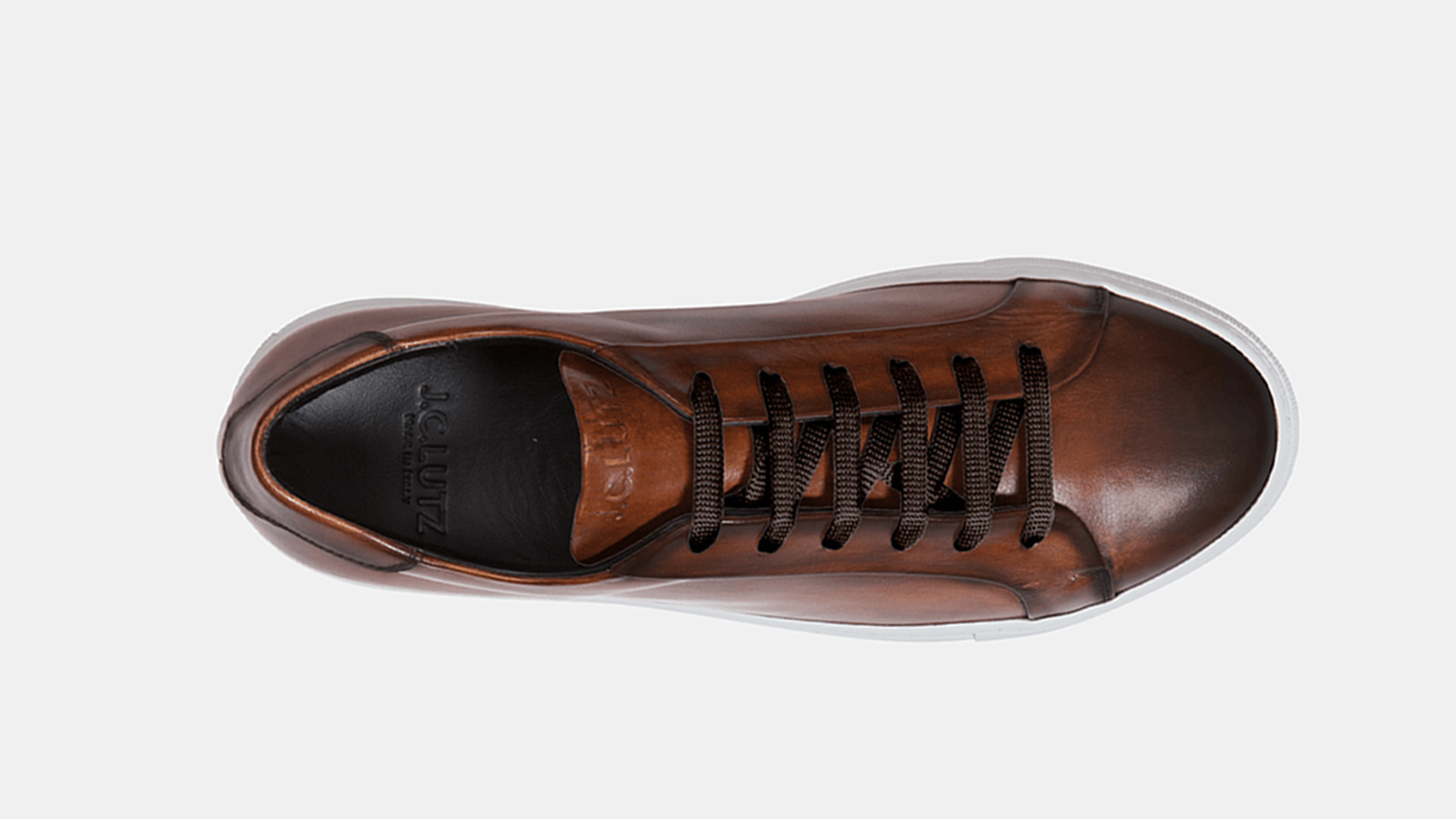
Edges are hidden-stitched into the lining rather than finished with edge paint. Lace guards are also stitched invisibly to the vamp, keeping the outer face of the sneaker visually clean. These construction details can be easy to overlook when choosing sneakers based primarily on leather, but they are part of how the finished pair is assembled and how they finally look.


Underneath, a standard shank runs through the midsole. More commonly associated with dress-shoe construction than sneakers, the shank provides arch stability and helps preserve the shoe's longitudinal shape alongside the last and outsole. The midsole itself sits beneath a removable footbed and is built from sturdy cowhide rather than a synthetic filler.

Every pair is inspected individually before it ships as a final confirmation of the completed work. The result is a sneaker where the leather selection, cutting, stitching, and internal construction all contribute to the finished pair.

Explore our Italian leather sneakers to learn more about the construction and finishing behind the collection.


Choosing and Wearing Your Pair


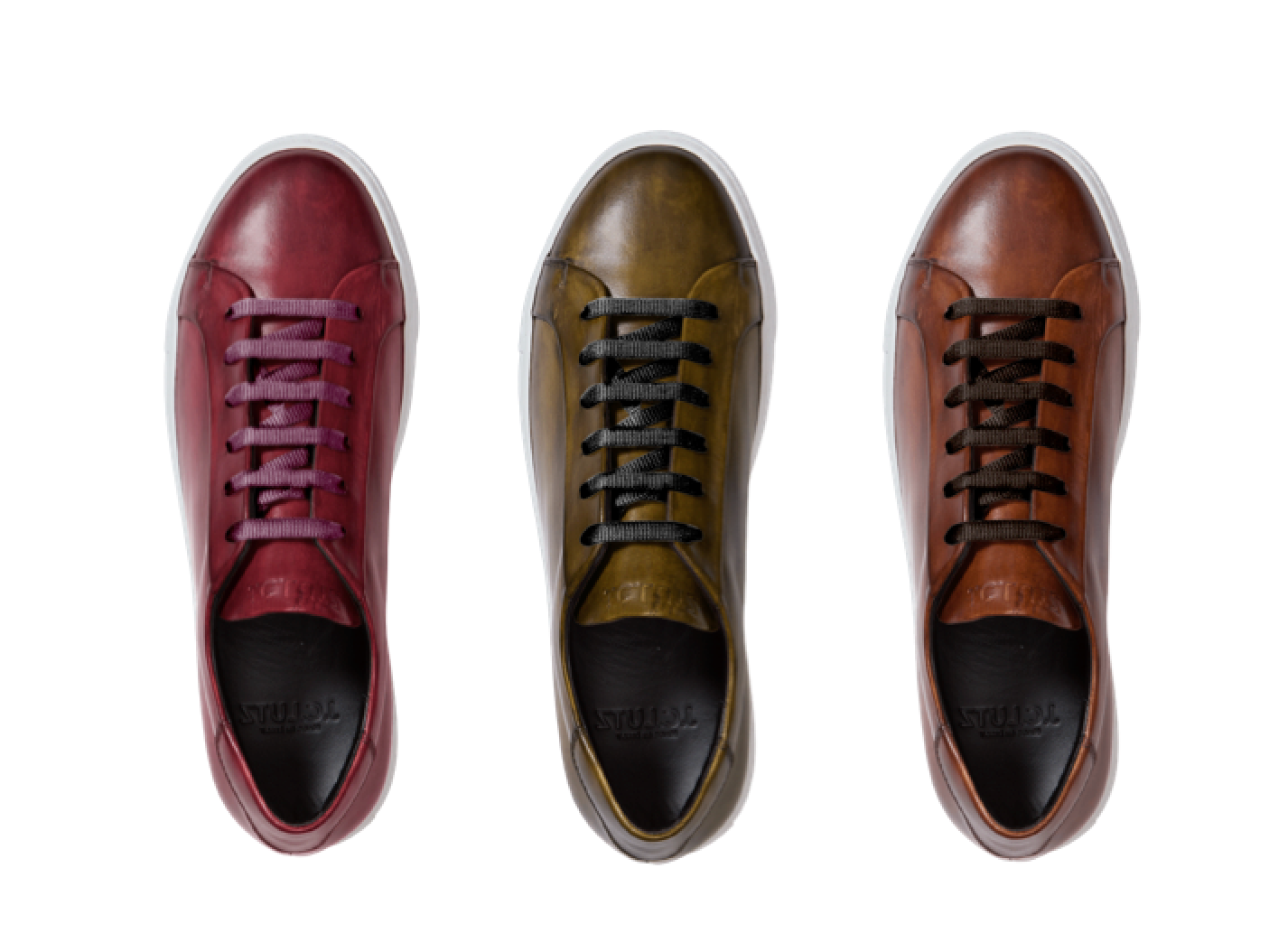
Full Grain is one part of the J.C.LUTZ customization process. Depending on the configuration, you can select leather, color, lining, sole, laces, and personalization. This allows you to build a design around your wardrobe while keeping the underlying construction consistent.

The last itself remains fixed, chosen for balanced comfort across the range. Fit comes from selecting the appropriate size rather than changing the shape of the last. Understanding that distinction is important when designing a pair because customization focuses on materials and details, not on changing the underlying geometry of the shoe.

For styling, restraint can allow the leather itself to remain the focus. A dominant color, a closely related secondary tone, and limited contrasting details can keep the overall design versatile while allowing the grain and hand-painted finish to remain visible.


Brown Full Grain configurations can work naturally with chinos, knitwear, denim, and other relaxed tailoring. They can also suit business-casual dressing when the rest of the outfit maintains a clean, structured appearance. For travel, a refined leather upper can help the sneakers move between casual and more polished settings without looking overly formal.

The goal is to choose a configuration around the way you actually dress rather than adding contrast simply because the design tool makes it possible. A restrained combination can make the leather, color variation, and construction details easier to appreciate.


Patina, Leather Care, and Fit


One of the characteristics buyers often look for in Full Grain leather is how the surface develops with use. Patina builds gradually through light, handling, flexing, and regular wear. Over time, the leather can develop deeper color, changes in sheen, and fine creasing.

A hand-painted finish can make this development especially individual because different hides can respond differently to the applied color. The appearance of a new pair should therefore not be treated as a permanent reference point. As the sneakers are worn, the interaction between the leather, finish, light, and movement contributes to their evolving appearance.


This does not mean Full Grain is maintenance-free. Day-to-day care can remain simple. Brush away dry dirt before it builds up on the surface and wipe the upper gently when necessary. If the leather becomes damp, allow the shoes to dry naturally away from direct heat.

When using conditioner, choose one compatible with the leather and apply it sparingly. Test any new product on a discreet area first rather than applying it immediately across the entire upper. Avoid harsh household cleaners, excessive moisture, direct radiator heat, and prolonged exposure to strong sunlight during storage, as these conditions can affect the leather and its finish.


A shoe rotation can also give the leather and lining time to dry naturally between wears. The objective is not to prevent every visible change. Full Grain is selected in part for its ability to develop character, so appropriate care should support that process rather than trying to keep the surface completely unchanged.

Fit is equally important. Leather can soften and flex modestly as a pair is worn, and a structured cupsole may take several wears to settle into its normal feel. That adjustment should not be confused with correcting an incorrect size. A slipping heel, persistent pressure, or a tight toe box on the first wear is primarily a sizing issue rather than something that should be expected to disappear through break-in.

Made-to-Order Production


Made-to-order production means each pair begins after an order is placed rather than coming from warehouse stock. This supports zero overstock and reduces waste associated with unsold inventory, while avoiding a mass-production model built around producing large quantities before a customer orders.

J.C.LUTZ also sells directly to consumers, supporting direct-to-consumer pricing without retailers, wholesalers, or importers between the atelier and the customer.

The atelier is family-run and staffed by Le Marche master shoemakers. Ethical labor practices are a core part of the J.C.LUTZ approach to made-to-order production. The atelier also operates under EU-compliant sustainability standards.


For the customer, made-to-order production means the pair is created around the order rather than selected from existing warehouse inventory. It also makes the configuration process central to the purchase, allowing you to select the available materials and design details for the chosen pair.

Full Grain availability depends on the configuration selected. Before finalizing an order, confirm the current material specification, lead time, and size guidance.


Design Your Full Grain Leather Sneakers


Full Grain is more than a material label. It is a leather-grade choice that affects how the surface looks when new and how it can develop through regular wear. When combined with vegetable tanning, hand-painted finishing, hand-clicked cutting, hidden stitching, and the rest of the J.C.LUTZ construction, the material becomes one part of a larger made-to-order design.

If natural leather character, color that deepens rather than fades, and considered construction are important to you, explore the available Full Grain configurations and create a pair around the way you actually dress and wear your sneakers.