Cart 0
Cart 0
english, eur
english
  • SHOP in € EUR
  • SHOP in $ USD
  • SHOP in £ GBP
français
  • ACHETEZ en € EUR

Minimalist Leather Sneakers Built for a Clean, Lasting Silhouette

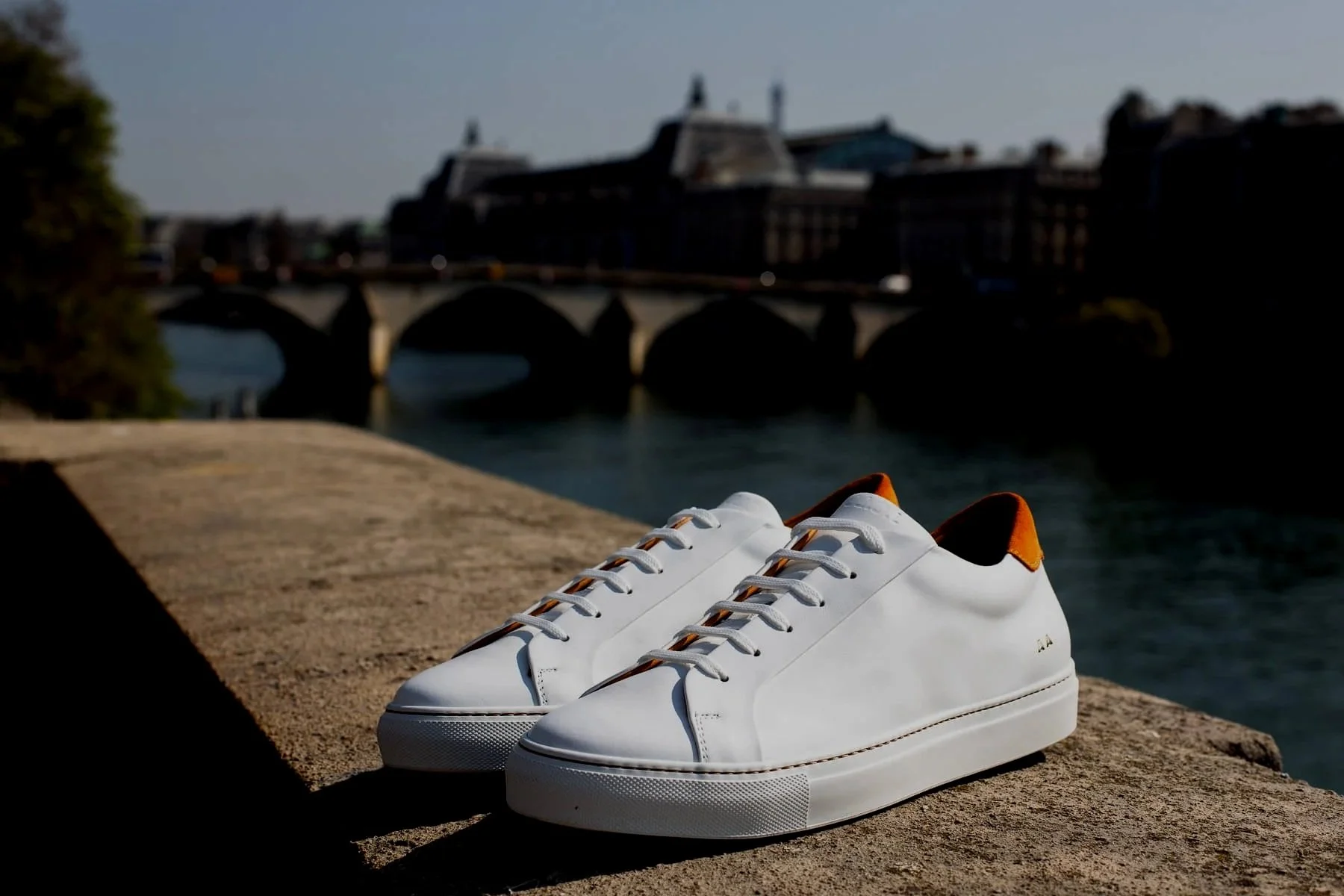
Born in Paris. Handcrafted in Italy. Made to order. – A minimalist leather sneaker earns its result through what sits inside it, not only through what has been removed from the surface. J.C.LUTZ builds handcrafted leather sneakers for quality-conscious buyers who want a clean silhouette that holds its shape through sustained wear across tailoring, travel footwear, and executive footwear contexts – not one that photographs well and softens by season's end.
Tilden 240322 web-42.jpg
 

What "Minimalist" Really Means in Leather Sneakers


Minimalist sneaker design is not the absence of decoration alone – it is the visible result of structural restraint that holds its shape under use. A clean upper on day one means little if the profile spreads, the collar softens, or the vamp buckles after a season.

That is why Italian leather sneakers with single-material uppers and no visible branding can still age poorly if the internal build is weak. Premium leather matters, but a lasting minimalist result depends on whether the shoe maintains a crisp, clean silhouette through wear – not on whether it begins with one. Buyers evaluating minimal sneakers for business casual settings, tailoring, or travel footwear often focus on surface finish first, even though the more decisive questions lie beneath the foot and within the upper.


The Hidden Architecture That Preserves the Silhouette


The midsole is the easiest place to cut corners in leather sneaker construction because it is never visible. Where cheaper makers use synthetic fillers or inferior leather – taking advantage of what the buyer cannot see – J.C.LUTZ builds the midsole from sturdy cowhide. The cowhide leather midsole resists compression set more reliably than common midsole fillers, keeping the waist stable and the shoe looking like itself after years of wear rather than seasons of it. The removable footbed makes that choice verifiable: lift it out and the midsole material is there to inspect directly.


A metal shank – a small, flexible bar set within the midsole – provides torsional rigidity that limits how much the sole twists with each step. It is standard in dress shoes and almost impossible to find in sneakers, precisely because it adds cost and complexity. Its absence becomes visible over time in the way unsupported shoes lose longitudinal shape and begin to look tired from the side. Together, the cowhide midsole and metal shank deliver the arch stability and shape retention that allow a minimalist leather sneaker to hold its profile long after softer constructions have collapsed.


The cupsole bonds the rubber outsole to the midsole and upper through stitching – a single clean integration that keeps the sole line closed under repeated flex and prevents separation at the forefoot and heel Cupsole bonding quality determines whether the sole line stays closed under repeated flex or begins to separate at stress points near the forefoot and heel – sole separation being the most visible structural failure on a minimal shoe, where the eye has nowhere else to look.


The Visible Decisions That Age Poorly


Edge paint often looks precise in the box, yet it is one of the first finishing choices to telegraph wear through cracking, chipping, and discoloration. On a minimal upper, that failure is more conspicuous because a quiet design gives the eye fewer distractions. Eliminating live edges entirely – through hidden-stitched construction where every edge is stitched with the lining – is the more demanding approach, and the one that ages cleanly without a painted finish to fail.

Vamp stitching creates a second weak point in the visual field. As the upper breaks in, exposed construction stitching distorts and shifts in ways that interrupt the line. At J.C.LUTZ, lace guards are hidden-stitched invisibly to the vamp, with no visible construction stitching on the outer face of the shoe – keeping panel alignment intact over time rather than merely at purchase.


Leather Choice and the Minimalist Result


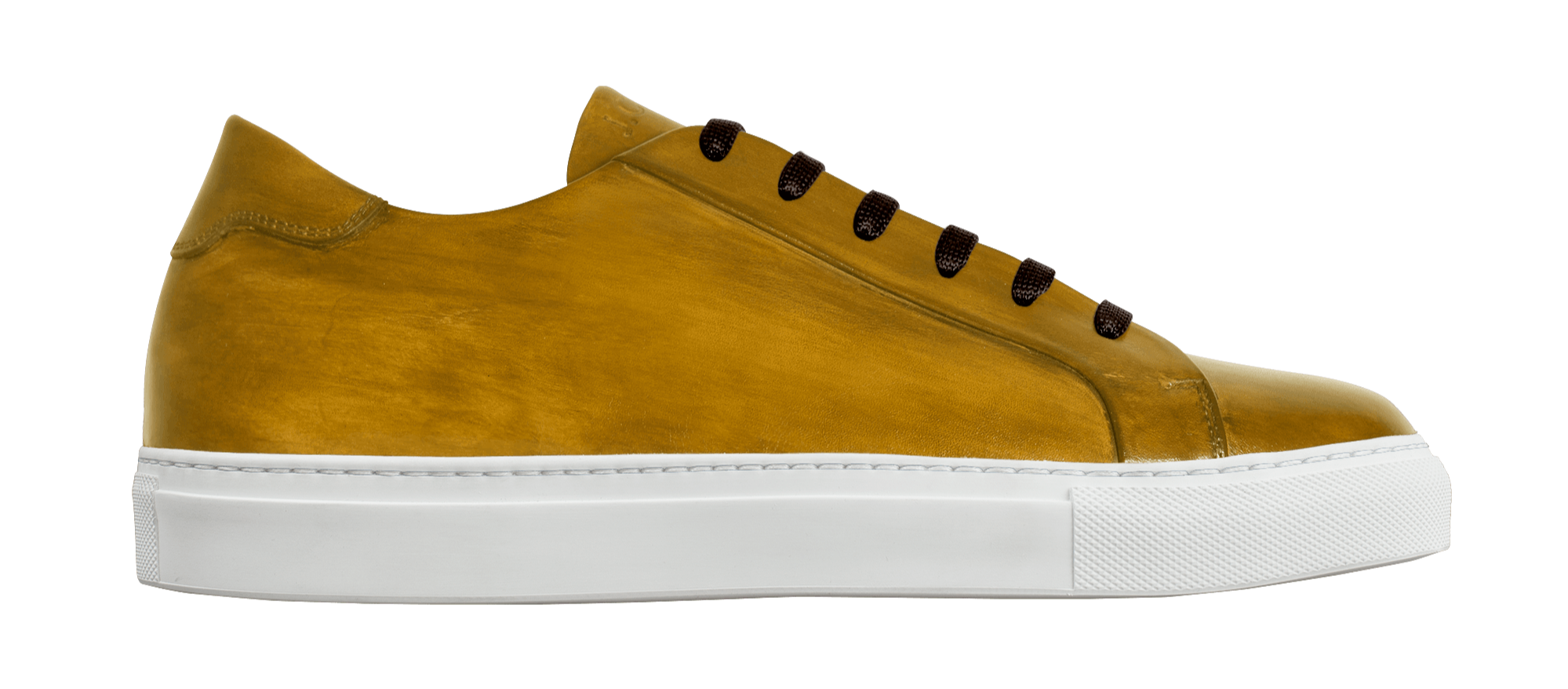
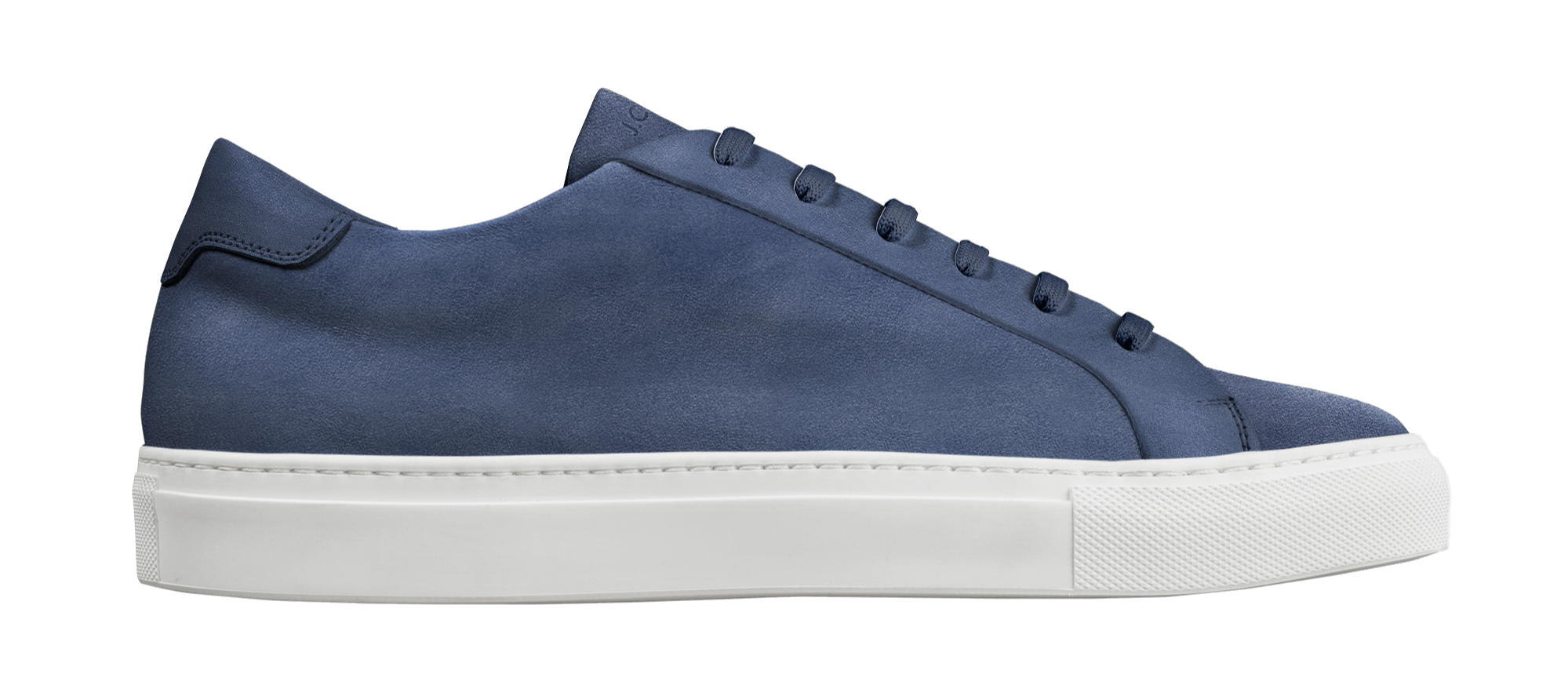
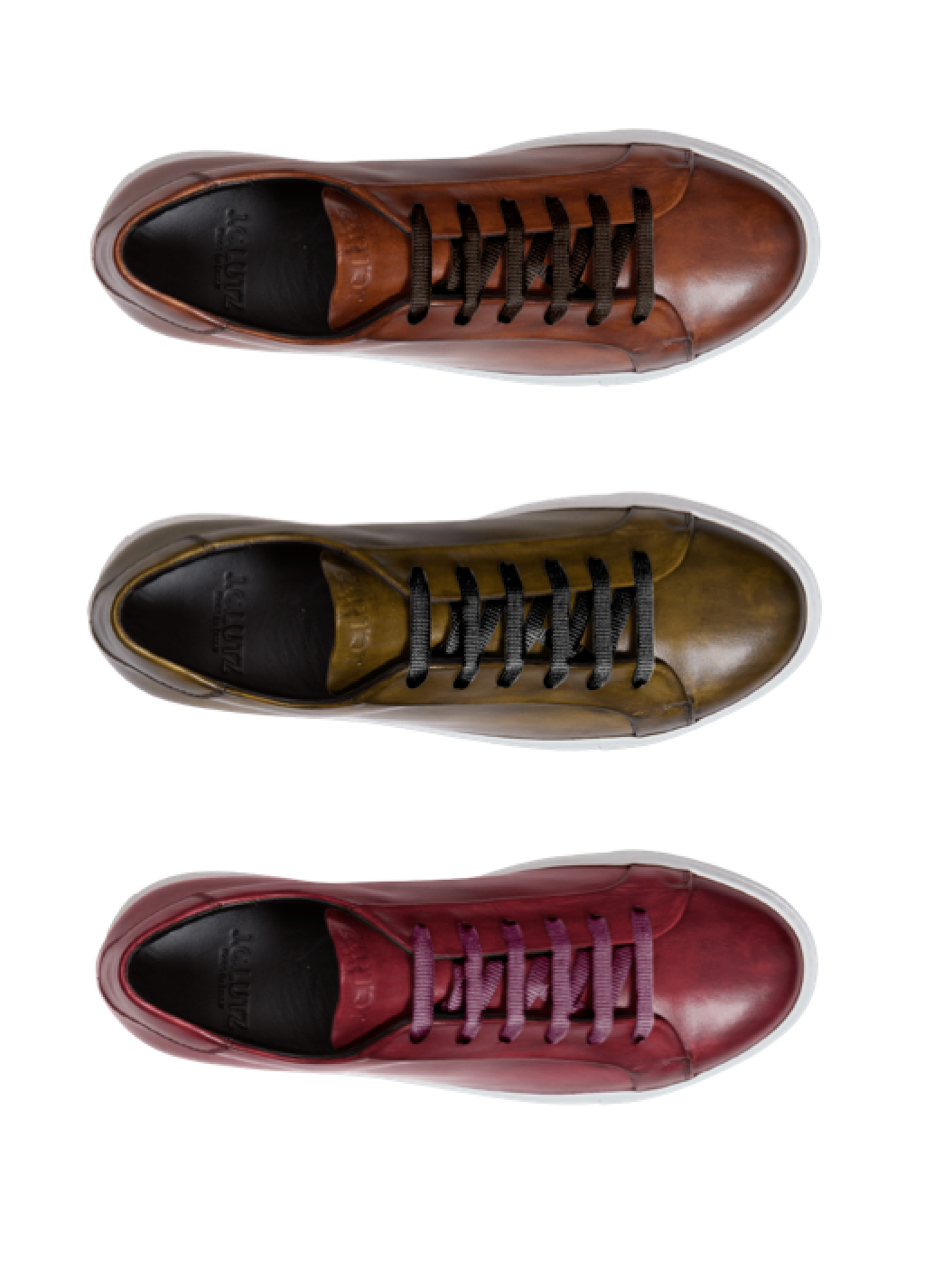
J.C.LUTZ offers three leather options for minimalist configurations: full-grain leather, calf leather, and suede.


Full-grain leather sneakers – vegetable-tanned and hand-painted at the atelier – develop the most individual patina over time. Vegetable tanning preserves the natural fiber structure of the hide rather than altering it chemically, producing a leather that registers wear as intentional character rather than surface failure. Hand-cut leather panels are inspected for fiber direction and surface consistency before cutting, because correct orientation keeps the panel flat, stable, and uninterrupted through the break-in period and beyond. A brown leather sneaker in full grain develops a patina that deepens and individualizes with each wear – lasting decades rather than seasons when properly maintained.


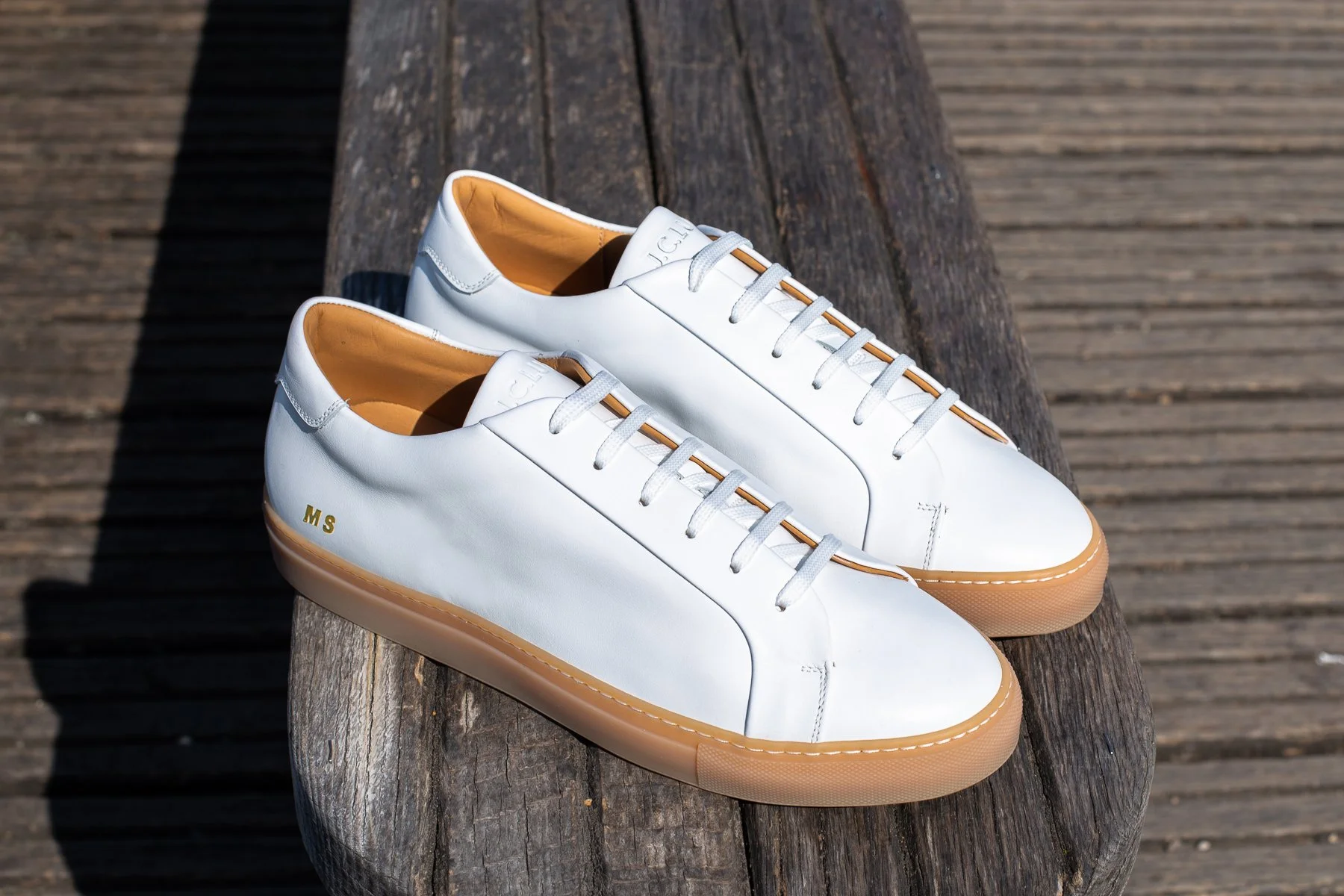
Calf leather – Italian calfskin with a surface-corrected finish – serves a different purpose. The correction produces a uniform, silky surface that holds a consistent appearance across frequent wear. A white leather sneaker or black leather sneaker in calf reads with particular discipline: monochrome uppers in this finish integrate naturally with tailoring and executive footwear without demanding attention.


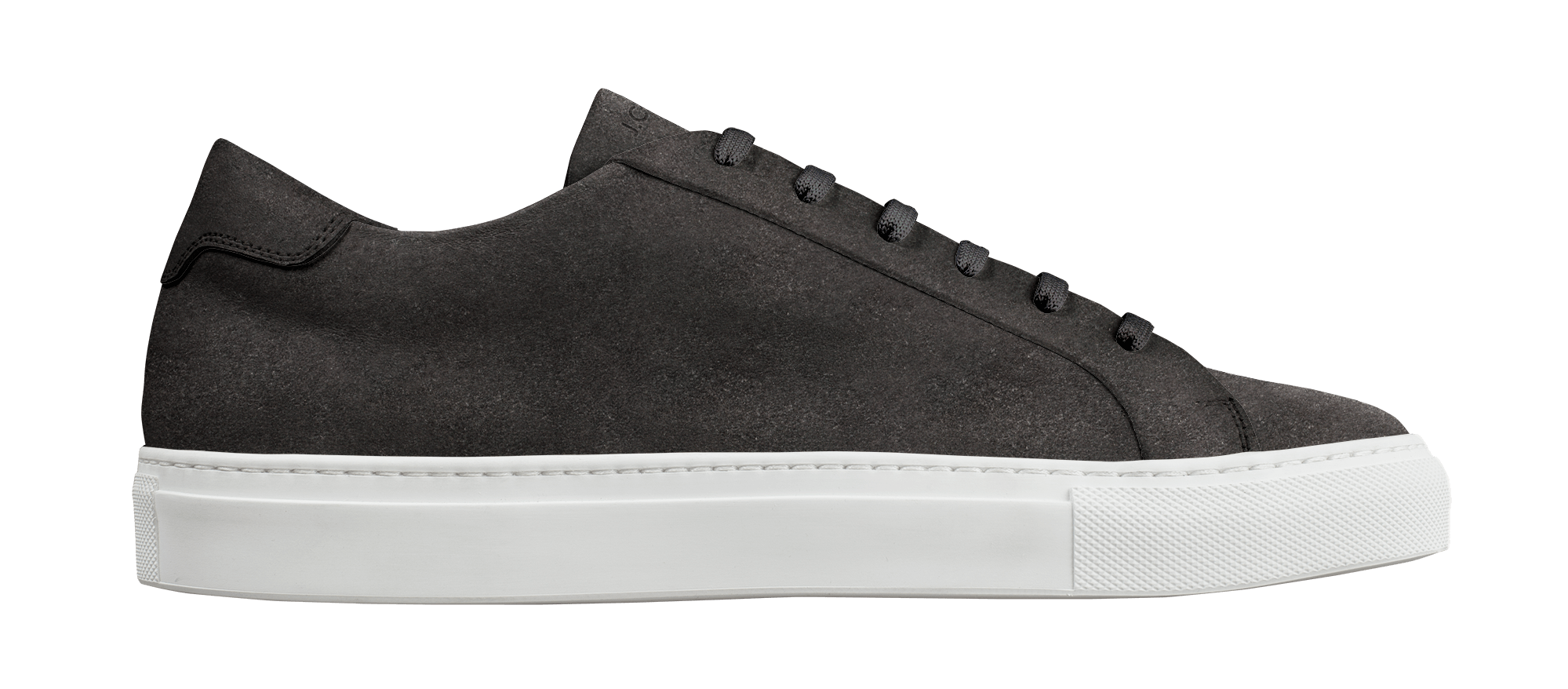
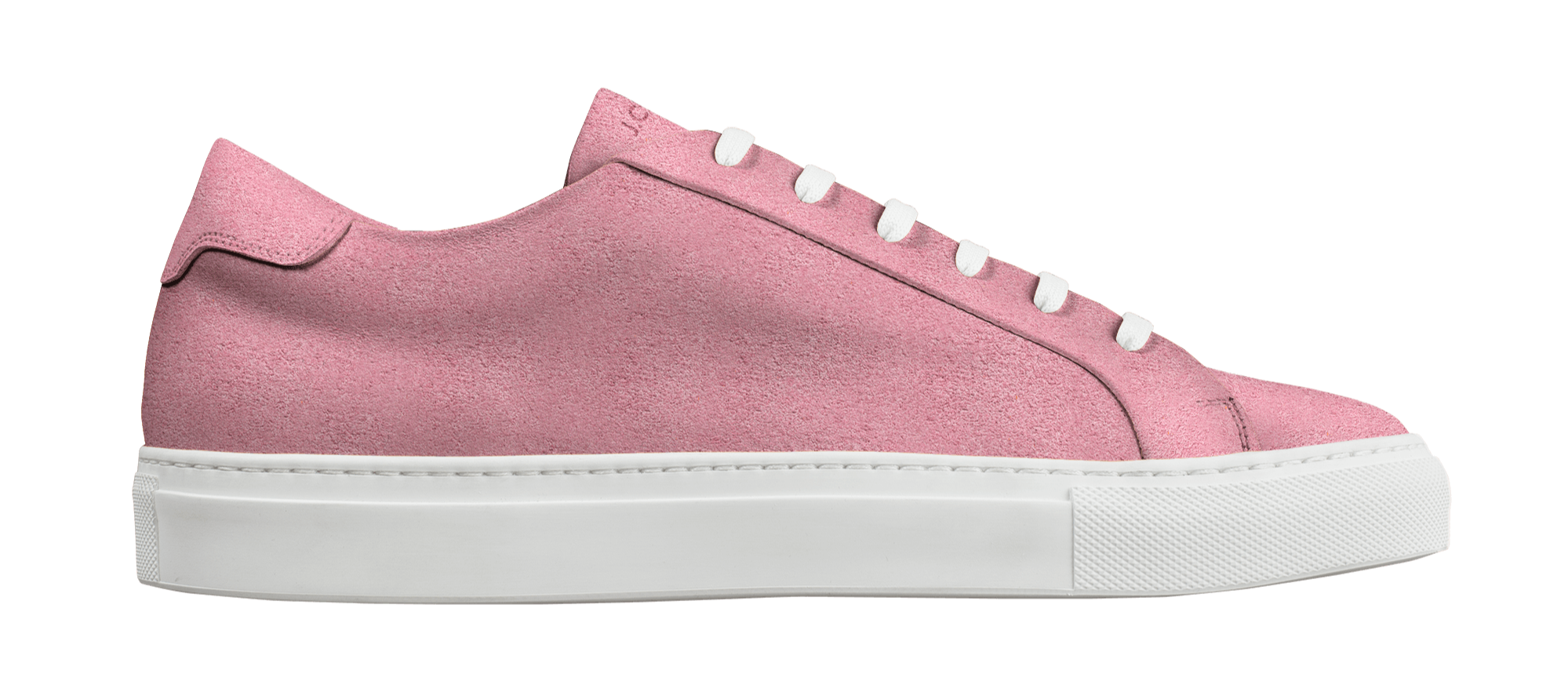
Suede, drawn from the underside of the hide, offers a softer and more tactile result. On a minimal silhouette, it reads as textural rather than decorated, sitting naturally in travel wardrobes and understated weekend dressing. Suede benefits from more attentive care around water exposure and should be protected before wear.


Fully Customizable Design

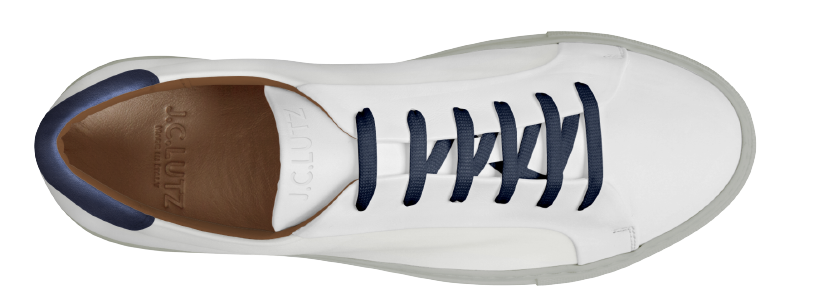
The J.C.LUTZ design tool organizes customization by part – sole, laces, lining, backstay, vamp and tongue, lace guards, stitching, and outer vamp – with each leather panel independently selectable across Full Grain, Calf, or Suede, then refined through a curated color palette. A fully customizable design here means configuring the pair around the use pattern rather than working around what was already built. Configurable design elements include leather type, leather lining selection, lacing, eyelet placement, tongue padding, and sole profile.


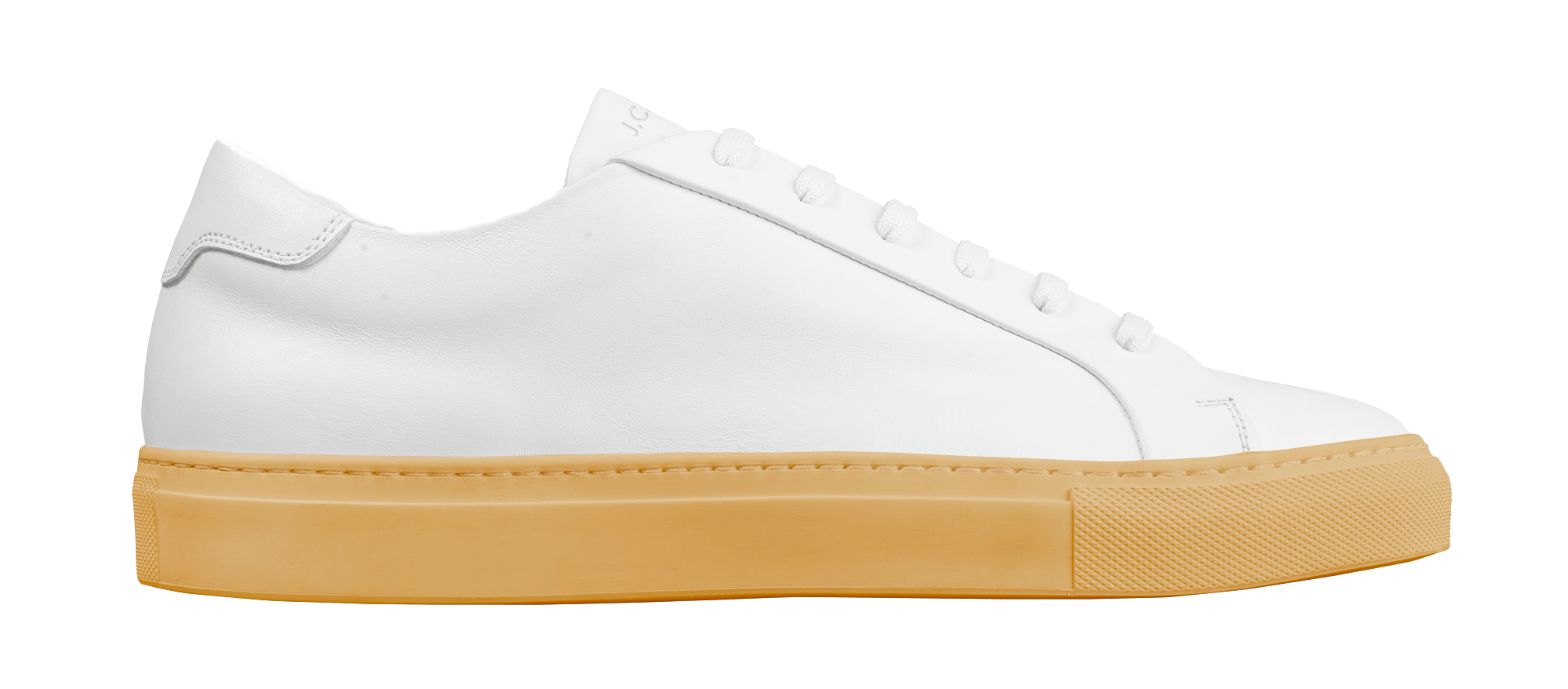
Minimalist configurations tend toward single-leather choices, tonal color decisions, and Margom natural rubber soles – which pair durability with a slim, refined profile that stays visually subordinate to the upper rather than competing with it. The Inspirations collection presents curated pre-set configurations across Full Grain, Suede, and Minimalist styles, each loadable directly into the design tool and adjustable before ordering. Custom leather sneakers built to this standard suit buyers for whom selection criteria begin with construction and end with restraint.

Fit, Sizing, and Break-In


A correct fit should feel secure from the first wear: heel counter holding the rear foot, toe box volume allowing natural spread, and the instep held without compression. Crease behavior is more visible on a minimal upper, which makes sizing precision more consequential than on a busier shoe – break-in should refine the fit, not rescue a poor size.

The last shape at J.C.LUTZ is fixed, selected for balanced comfort and ease of wear. The leather lining and footbed are fitted to the last with precision; cushioning is present where it serves the foot rather than compensating for weak construction beneath it.


Made-to-Order and the Minimalist Philosophy


Made-to-order production aligns naturally with minimalist thinking because intention and restraint govern both. Zero overstock and waste, no mass production, and direct-to-consumer pricing mean each pair enters production for a specific buyer rather than for inventory. Waste reduction is a structural outcome of the production model, not a sustainability claim applied after the fact.

That structure is what allows Le Marche master shoemakers at the family-run atelier to apply individual quality control to every pair – not batch sampling, but atelier finishing reviewed pair by pair as confirmation that each shoe meets the standard before it leaves the workshop. The atelier operates under EU-compliant sustainability standards and ethical labor practices as conditions of the production model itself.


Care and Longevity


Cedar shoe trees after each wear, rotation between pairs, and wiping down the leather before moisture sets in are the baseline. For water exposure, remove surface moisture immediately, allow the pair to dry naturally away from direct heat, then condition lightly once fully dry.

Minimal sneakers expose neglect quickly. A restrained, regular routine protects leather durability and longevity far better than occasional intensive cleaning – and on a shoe where the silhouette is doing all the work, that protection is part of the result.