Cart 0
Cart 0
english, eur
english
  • SHOP in € EUR
  • SHOP in $ USD
  • SHOP in £ GBP
français
  • ACHETEZ en € EUR
 

Business Casual Sneakers for Men

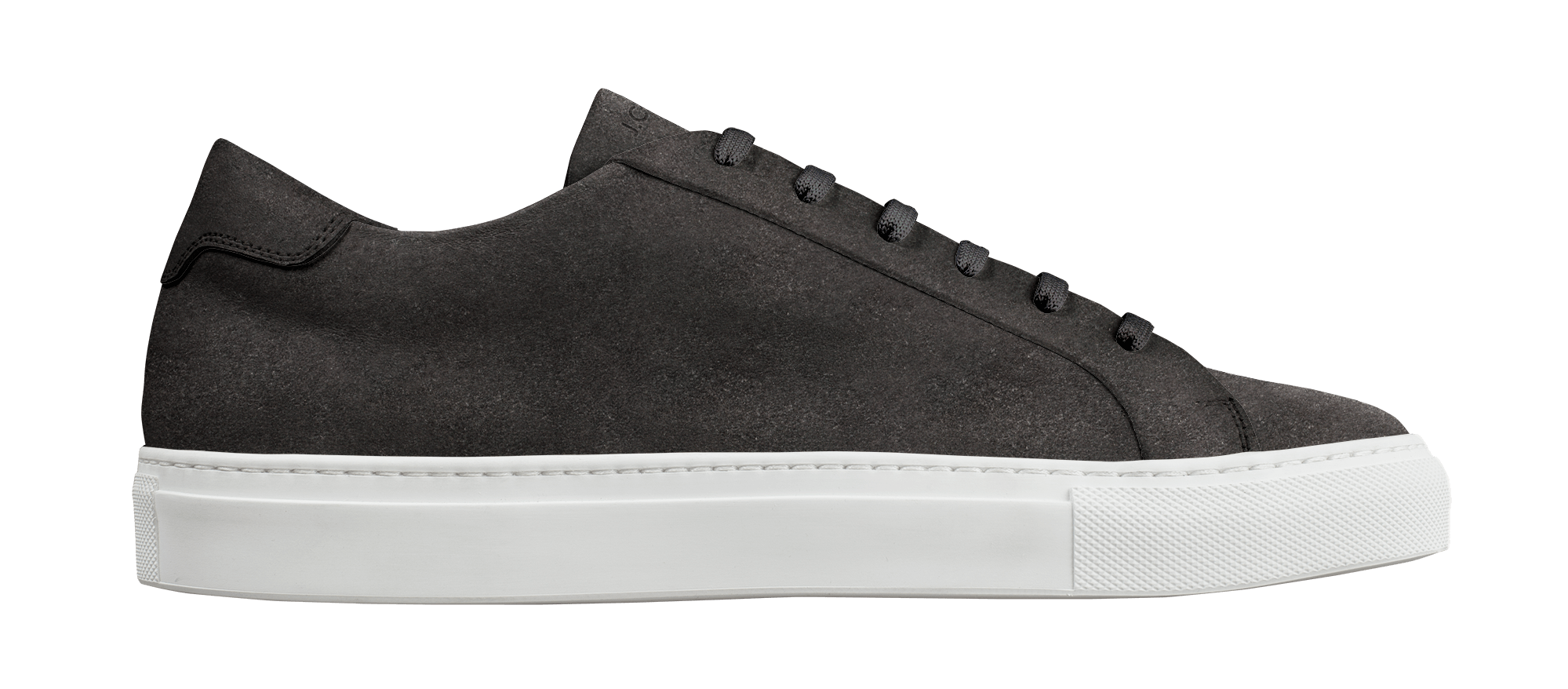
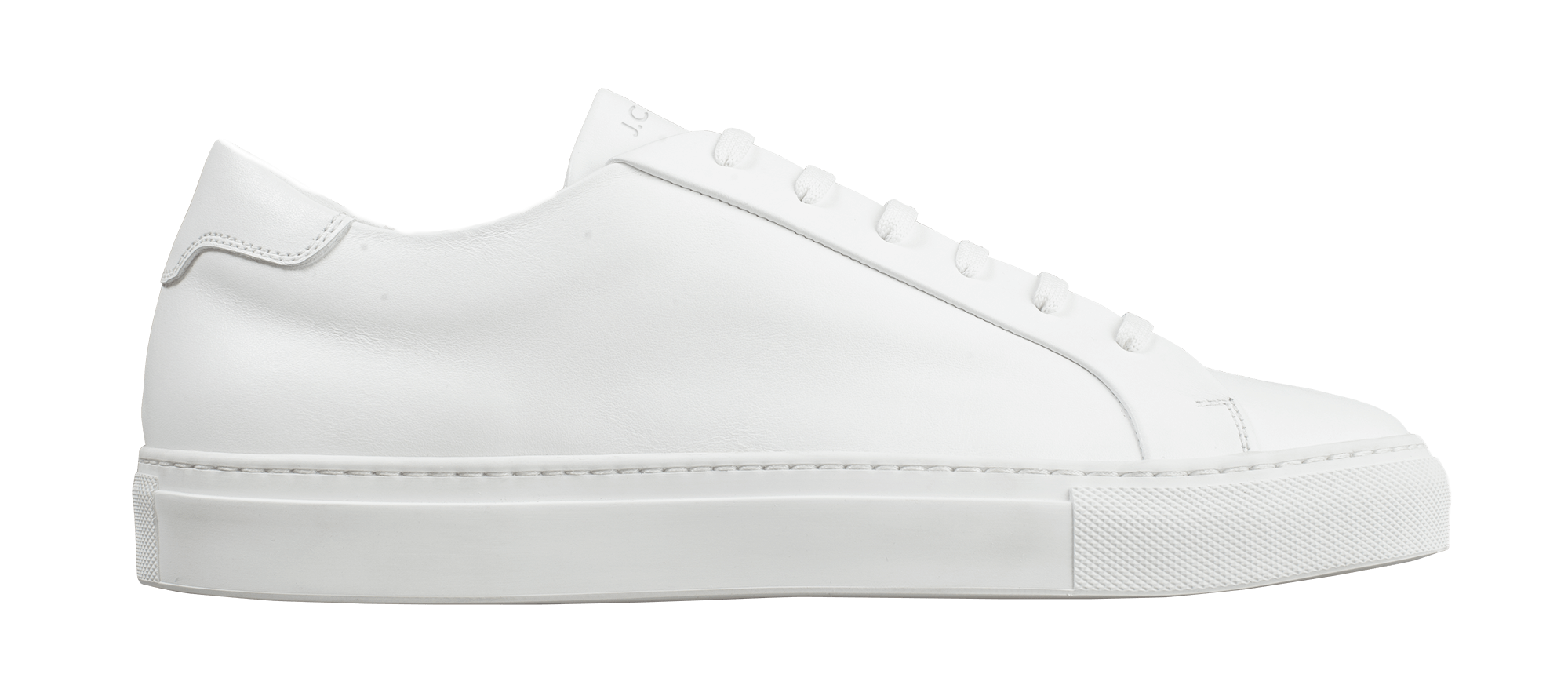
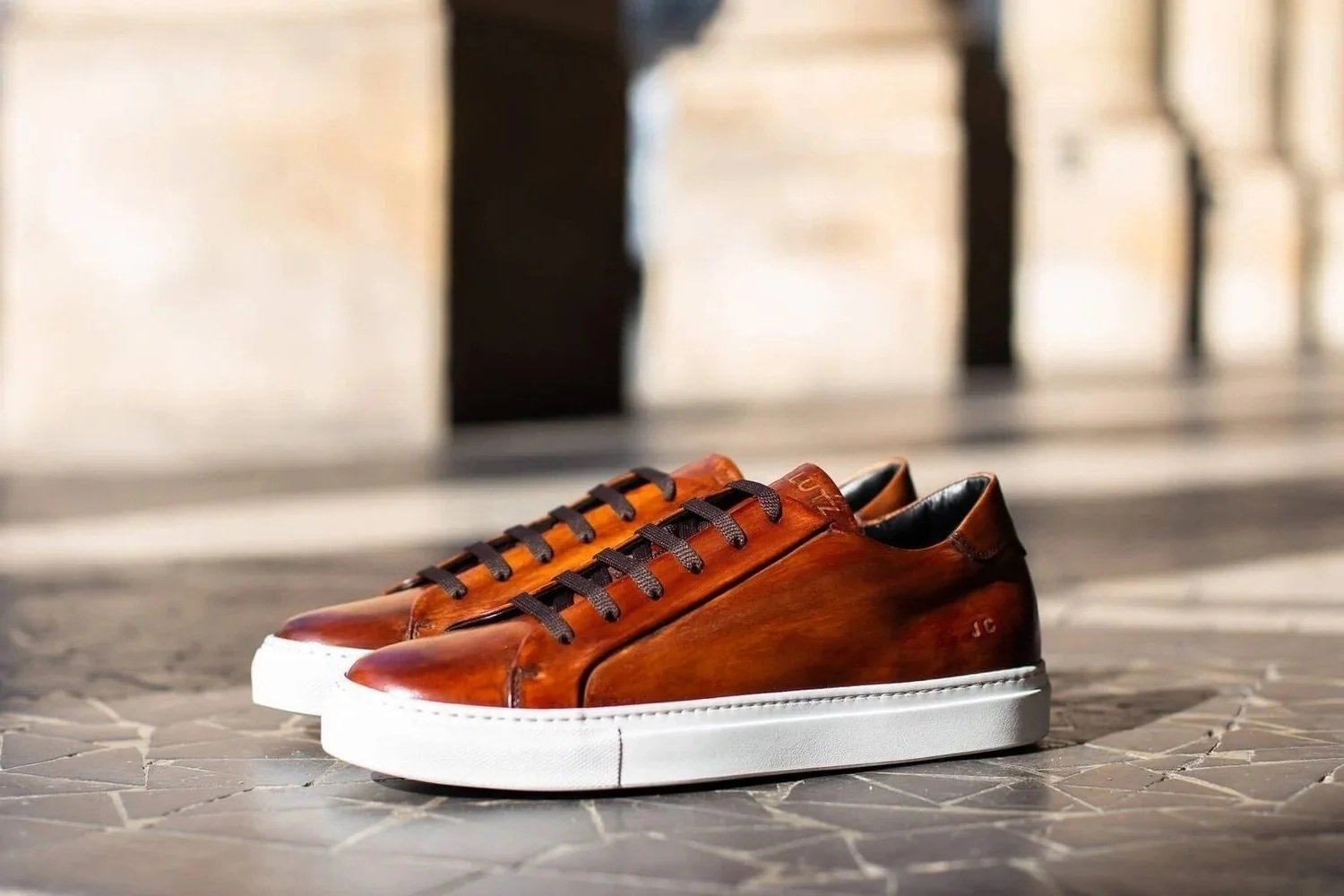
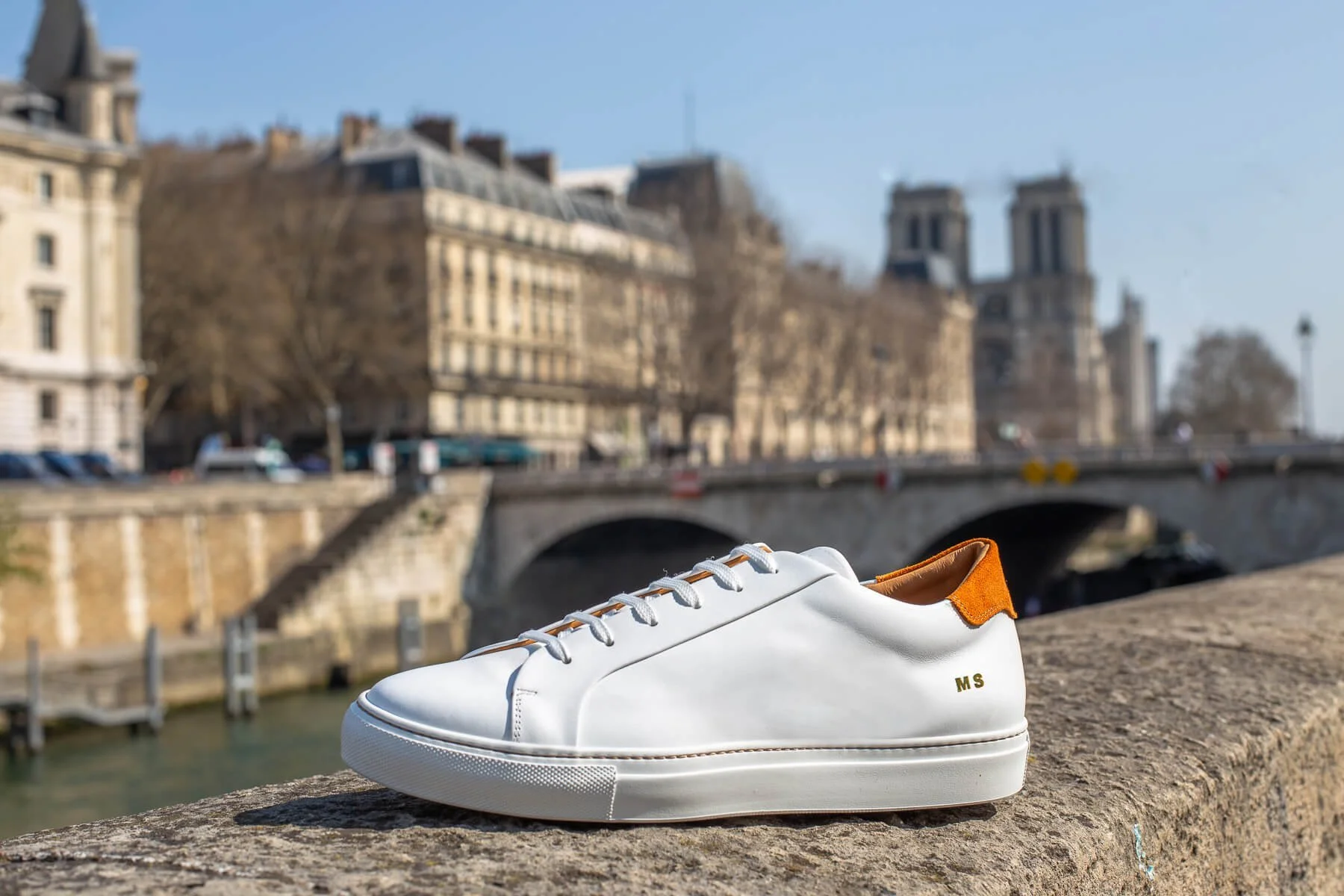
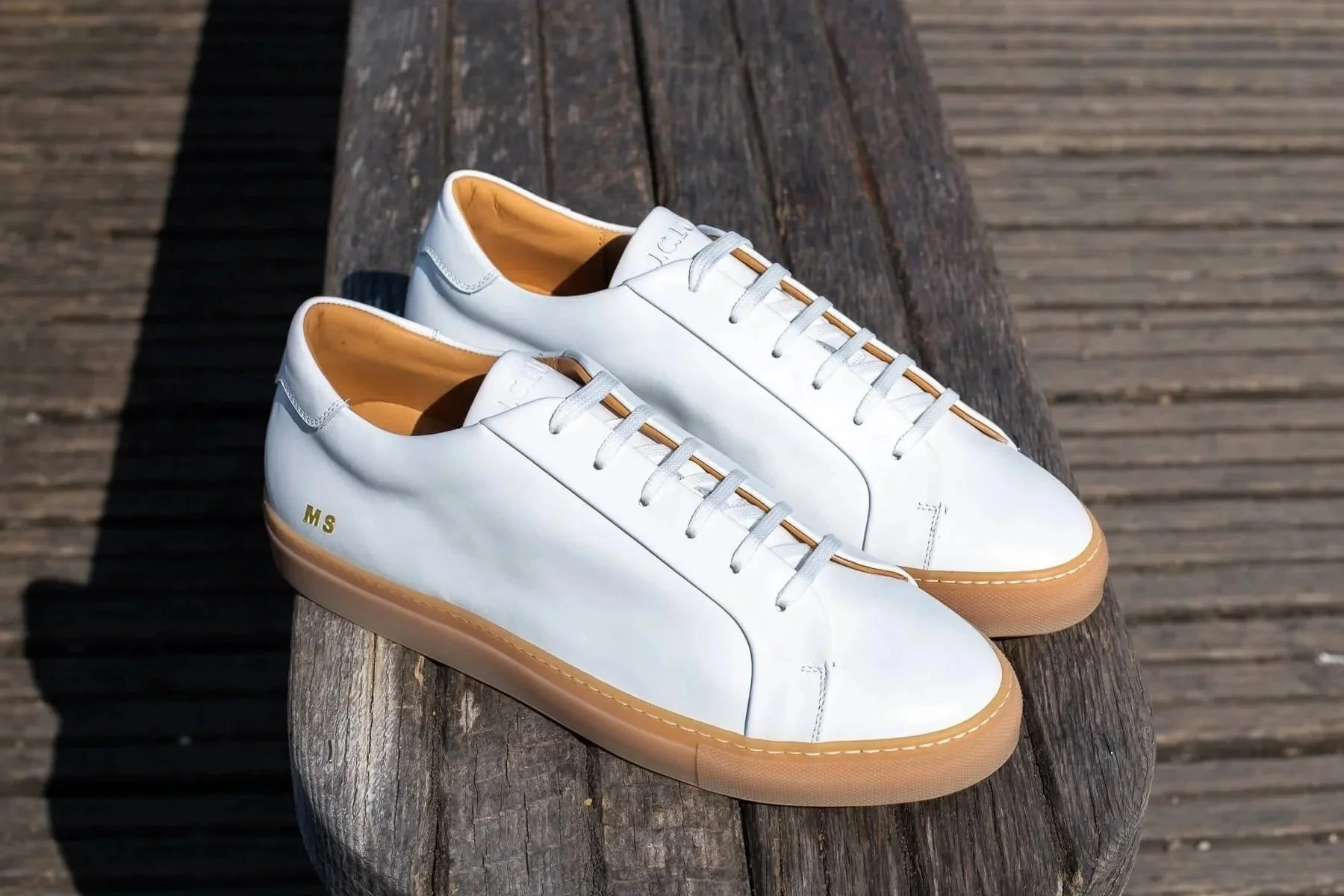
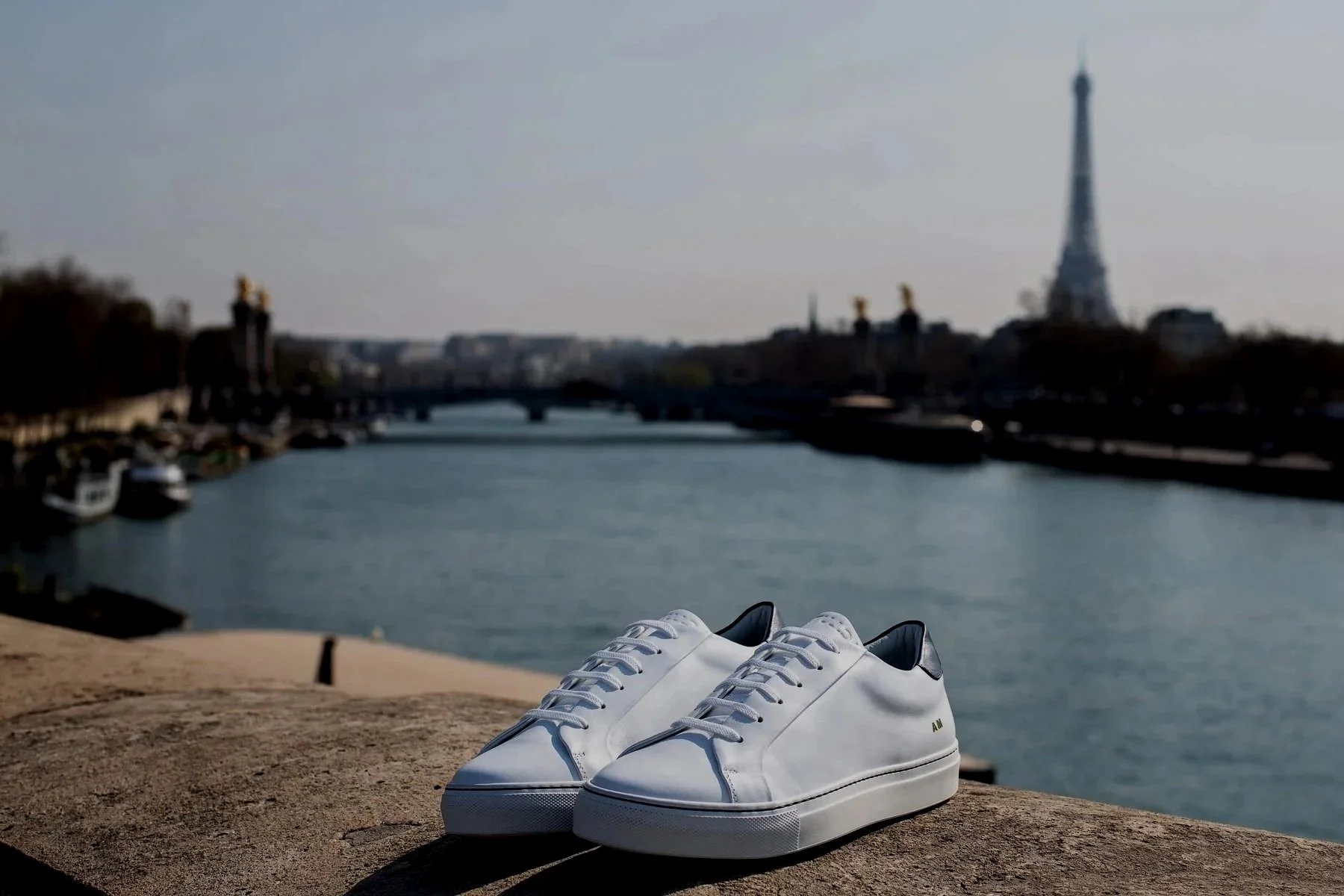
Born in Paris. Handcrafted in Italy. Made to order. Business casual sneakers for men ask more of a shoe than most casual footwear. They must satisfy the constraints of a business casual dress code while delivering the structural discipline normally associated with dress shoes. J.C.LUTZ builds toward that standard through a leather upper, a clean silhouette, and construction usually reserved for formal footwear.
 
 
Tilden 240322 web-49.jpg

What a Business Casual Dress Code Actually Asks of a Sneaker


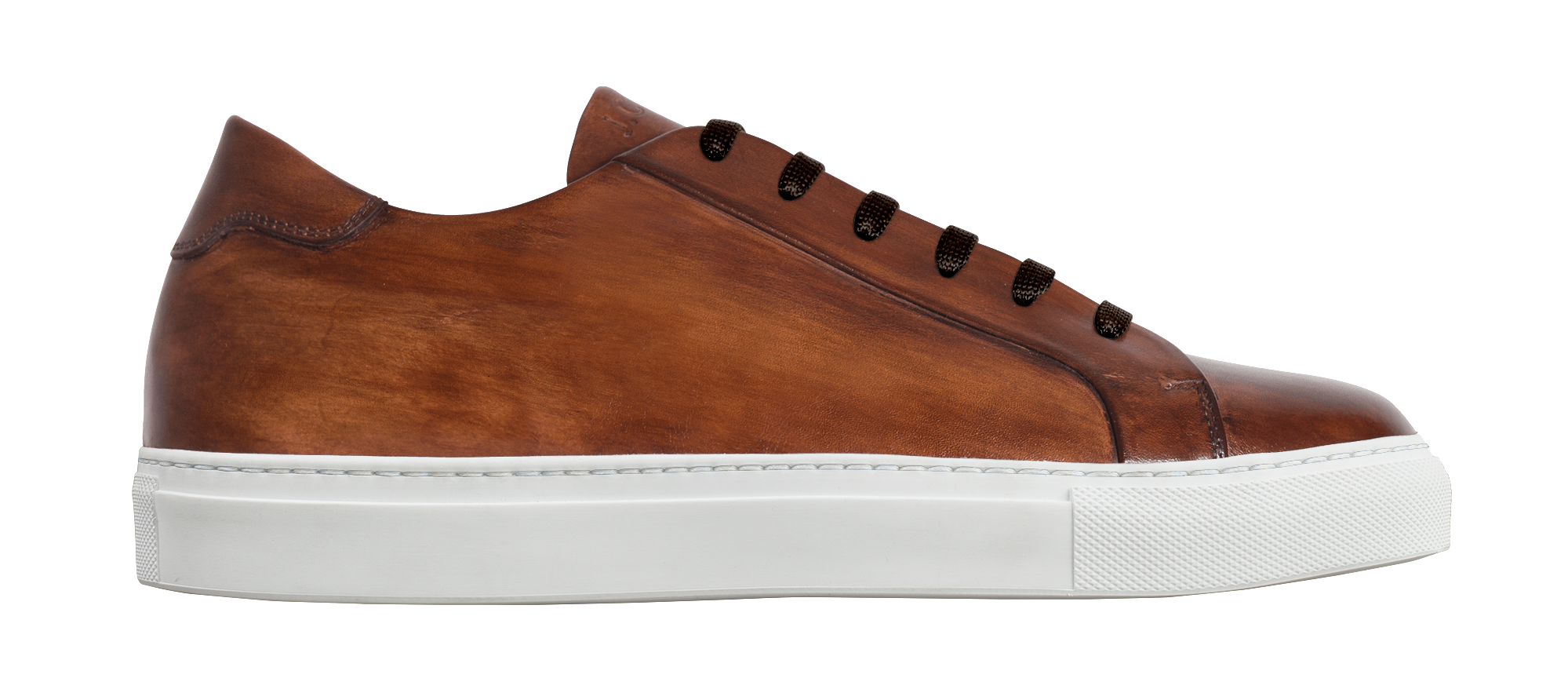
A sneaker earns its place as office footwear when it avoids sportswear detailing entirely – no exaggerated soles, no contrast panels, and no visible branding competing with tailoring. In office footwear, restraint matters more than trend-driven design. A leather upper in dark neutrals or muted white reads as considered; a textile upper with performance styling reads as athletic regardless of price. A low-profile silhouette and a narrow cupsole keep the line continuous beneath trousers, which matters more to how the shoe is read than the leather itself.


The Construction Behind a Sneaker That Holds Up at the Office


Restraint above the sole means little without stability beneath it. J.C.LUTZ builds every pair with a shank – a small, flexible metal bar embedded in the midsole, standard in dress shoes and rare in sneakers – which limits sole torque and gives the arch real stability through a full day on hard office floors. Because the footbed is removable, the cowhide midsole can be inspected directly rather than hidden beneath synthetic fillers. Shape retention depends on this layer holding its form long after the upper layer has broken in.

Above it, every edge is hidden-stitched with the lining rather than finished with edge paint, so there is no coating to crack or discolor – just finished edges that age the way the leather does. Lace guards are stitched invisibly to the vamp, with no construction stitching visible on the outer face. Each hide goes through hand-cut clicking only after inspection for fiber direction and surface consistency, before a single panel is cut.


Matching Leather to How Often You Wear Tailoring


Full-grain leather is distinguished by hides that are imperfection-free and require no corrective surface treatment. The natural grain remains visible simply because nothing has been done to alter it – not because it has been specially preserved.


Calf is surface-corrected leather, listed as Calf in the configurator and known in the industry as top-grain leather. It offers a more uniform surface, making it well suited to business casual wardrobes where visual consistency matters more than patina.


Suede sits at the more relaxed end of business casual – suited to less formal offices, with wet-weather care as the only real consideration before wear.

Designing a Pair for Business Casual Rotation


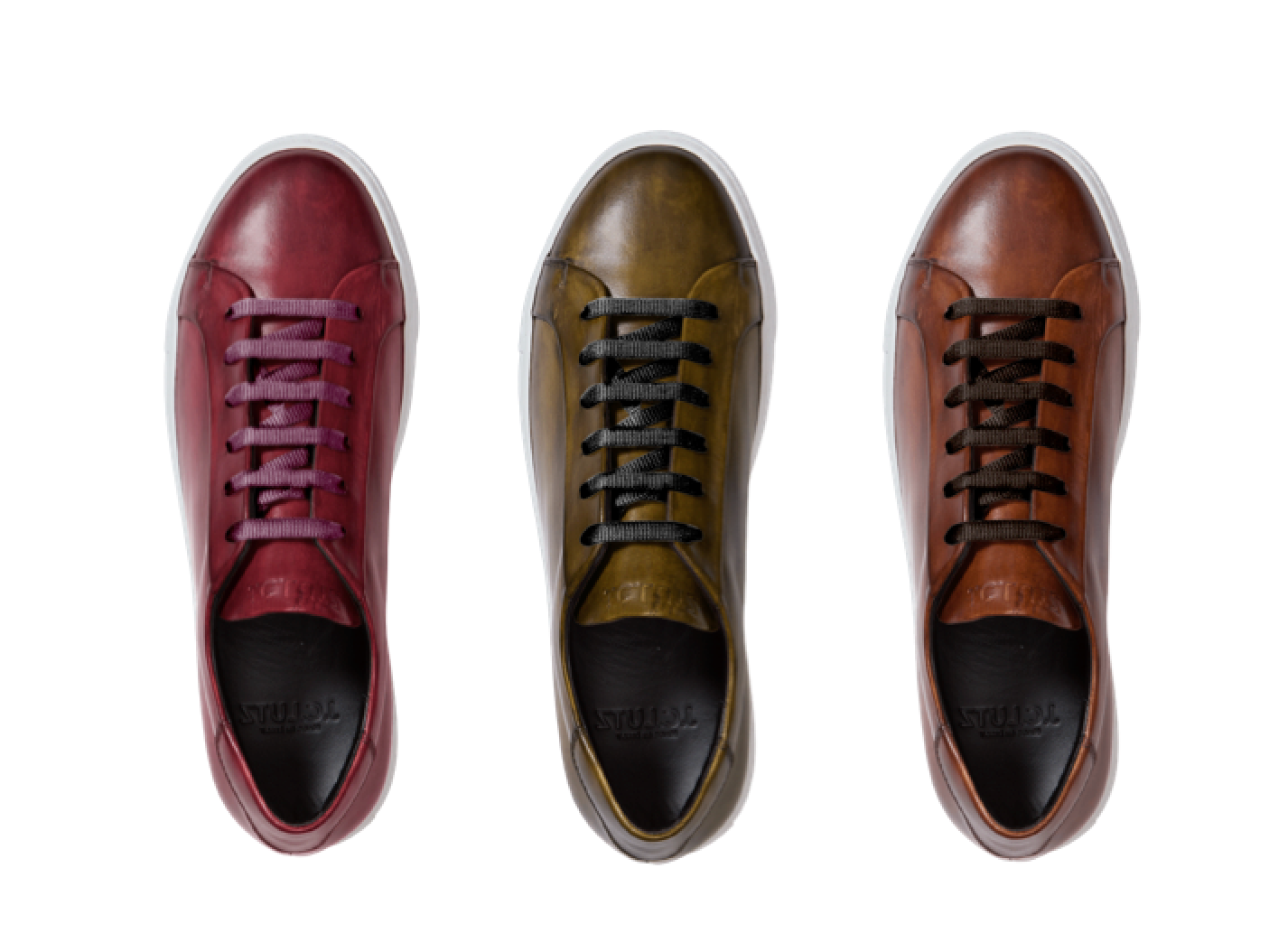
Customization begins with choosing components rather than the shape of the shoe. Fully customizable design means the last stays fixed while leather, sole, laces, lining, backstay, vamp, tongue, lace guards, stitching, and outer vamp are selected individually. For a business casual wardrobe, dark neutrals and muted white in Calf or full-grain leather hold up best across a working week, with personalization available for a considered final detail.


Wearing Them Without Diluting the Outfit


Trousers and chinos with a clean hem let the low-profile silhouette register as deliberate rather than accidental – excess fabric swallows the proportion. The same restrained color palette that works at a desk carries through a commute and into dinner, which is the office-to-travel versatility a business casual sneaker is meant to deliver: one pair, not a change of shoes for every leg of the day.


Fit, Break-In, and Care

Fit should feel secure from the first wear, with the fixed last doing the structural work; break-in should refine that fit, not correct a poor size. Rotate pairs to let the leather recover, and keep suede away from wet conditions whenever possible.

Why It's Made This Way

Every pair is built in a family-run atelier in Le Marche, where Le Marche master shoemakers apply hand-cut clicking and individual quality control – every pair is confirmed before it ships, not sampled from a batch. Made-to-order production means zero overstock and waste because nothing is built before it is purchased. Direct-to-consumer pricing keeps investment in materials and craftsmanship rather than in retail markup. No mass production is what makes that level of attention to a single pair possible.