Cart 0
Cart 0
english, eur
english
  • SHOP in € EUR
  • SHOP in $ USD
  • SHOP in £ GBP
français
  • ACHETEZ en € EUR

Luxury Leather Sneakers, Built to Last

Born in Paris. Handcrafted in Italy. Made to order. Luxury leather sneakers are judged most honestly not by what shows on the surface but by what holds the surface in place. The midsole, the shank, the edge construction, the tanning method – these are the decisions that determine whether a pair improves with sustained use or simply wears out. Most designer sneakers are sold on the upper presentation alone. J.C.LUTZ is built on a different distinction.
Tilden 240322 web-51.jpg


What "Luxury" Should Mean in a Leather Sneaker


Luxury, applied honestly to a leather sneaker, describes material integrity and construction discipline – not price positioning or brand recognition. A pair that qualifies holds its silhouette after months of wear, develops a patina that reflects how it has been used, and supports the foot through arch stability and controlled flex rather than softness alone.


The components that earn that definition are rarely visible. The midsole sits beneath the removable footbed, the shank is embedded within it, and the edge construction is finished inside the lining. These are the hidden layers where most production shortcuts occur – because they cannot be seen in a product photograph, and because buyers rarely know to ask about them. Most high-end leather sneakers are priced as though these details are present. The honest question is whether the construction confirms it. Direct-to-consumer pricing removes the retail markup; that margin should stay in the construction, not finance inferior materials.


The Midsole: Where Luxury Is Won or Lost


The midsole is the easiest place to reduce cost invisibly, which is why it is most commonly compromised. J.C.LUTZ builds it from sturdy cowhide. The difference registers over time rather than at first wear: a cowhide midsole resists compression and collapse in a way that low-grade composites do not, which means the shoe retains its intended geometry through extended rotation rather than slowly losing its line underfoot.

Embedded within that midsole is a flexible metal shank – a small bar that stabilizes the arch and prevents sole torque under load. Shanks are standard in the construction of quality dress shoes. In sneakers, they are almost absent. J.C.LUTZ includes one in every pair, because the arch stability it provides changes how the shoe performs over a long day of walking far more than any amount of tongue padding or footbed foam.


Leather Grades and What They Actually Mean


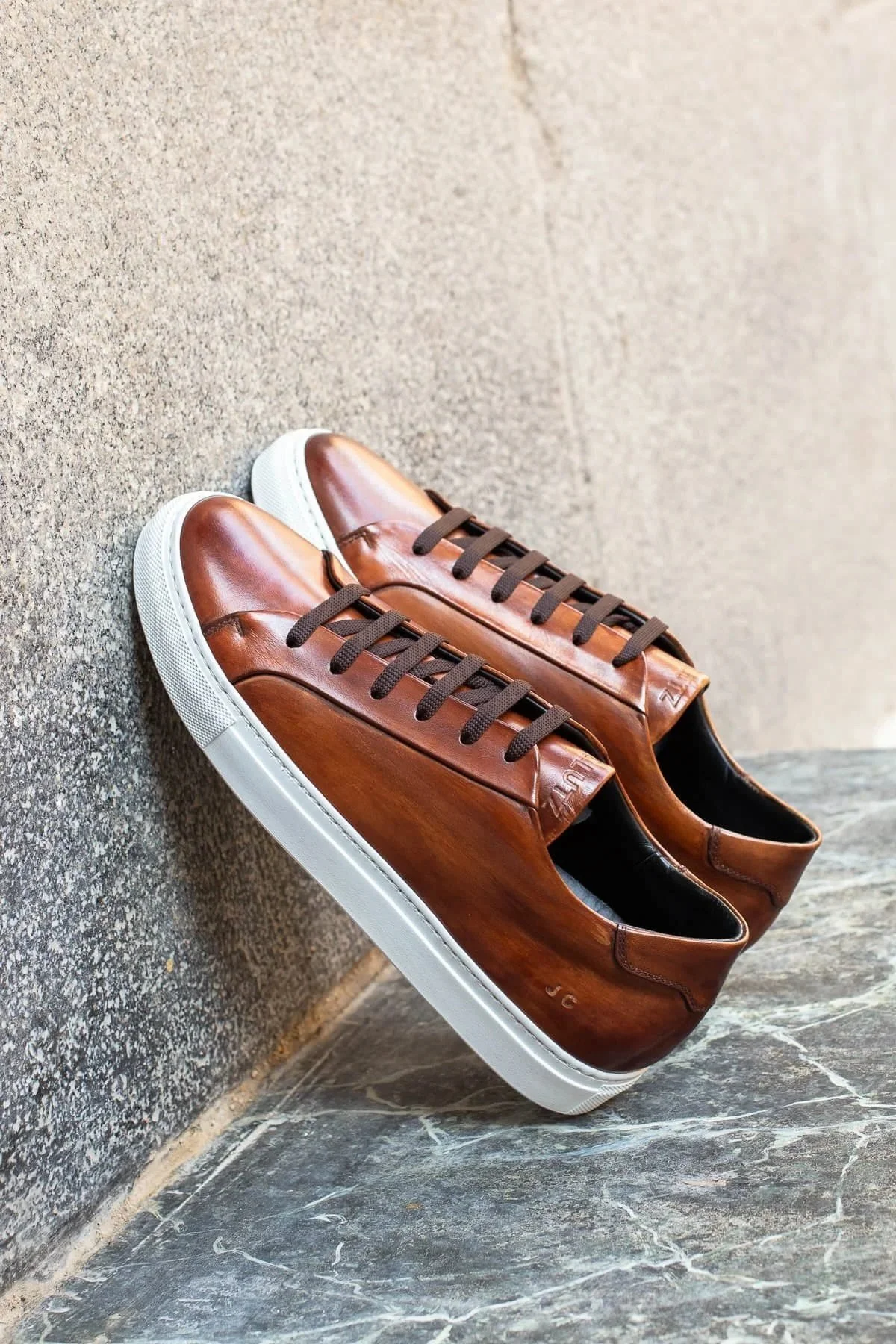
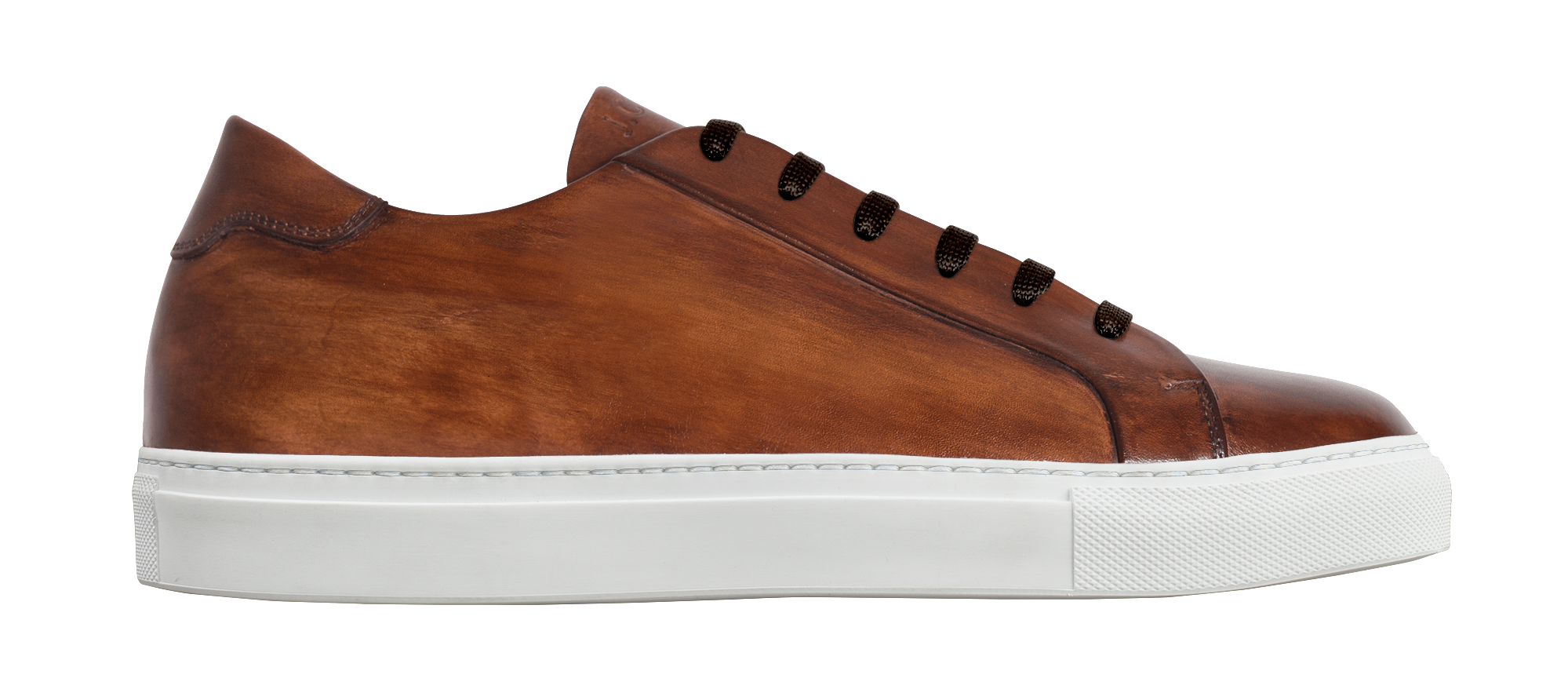
Full-grain leather comes from imperfection-free hides. Because the hide requires no surface treatment, the natural fiber structure remains completely intact – and that fiber structure is what gives the leather the capacity to develop a deep, individual patina over years of use.


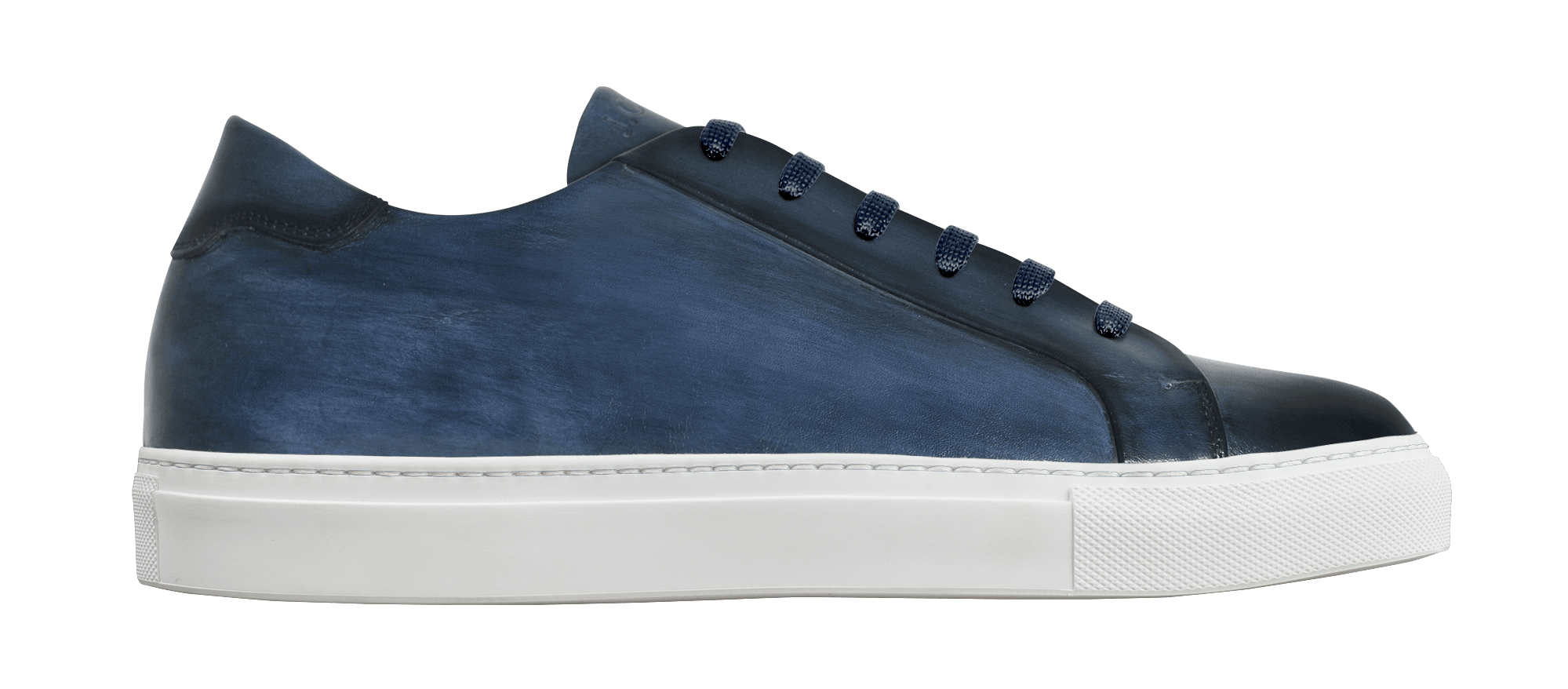
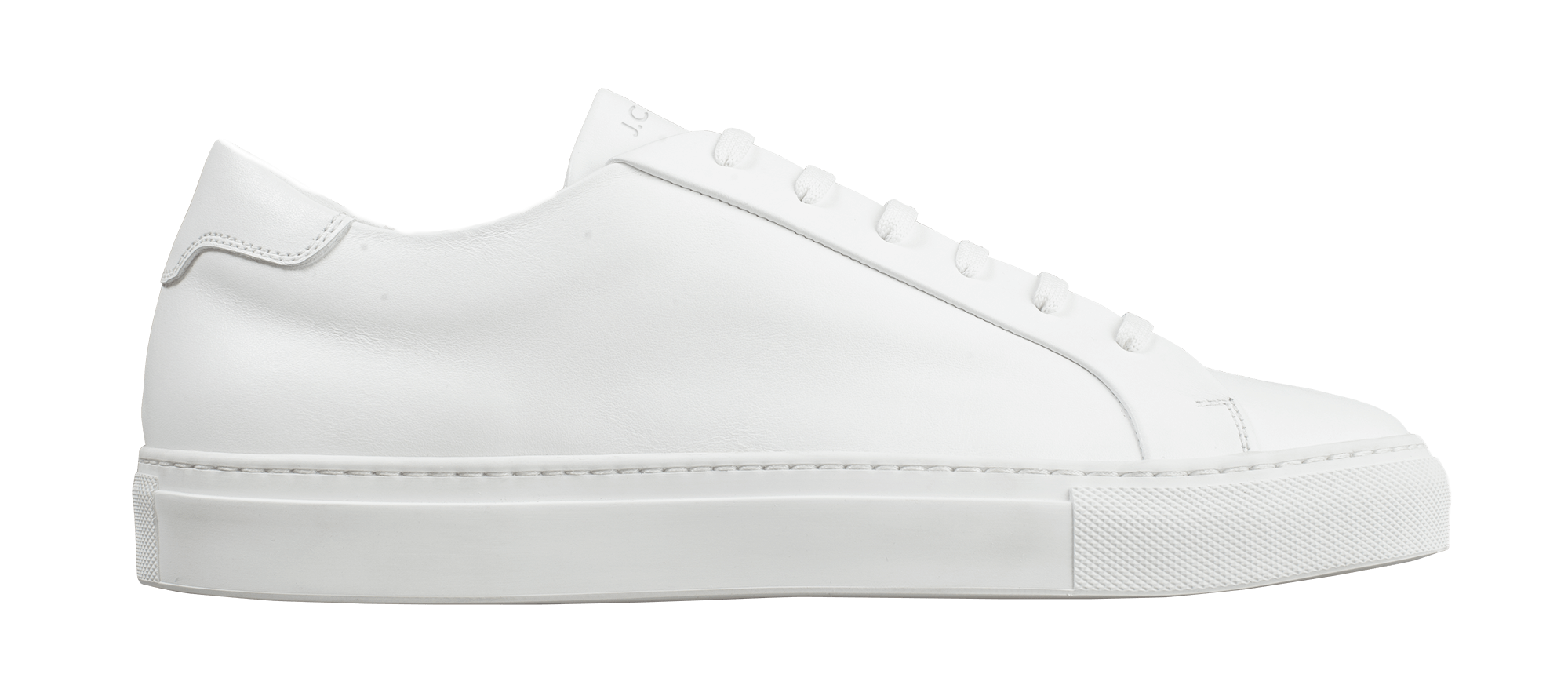
Calf leather – listed as such in the J.C.LUTZ configurator – is surface-corrected to a more uniform finish. In industry terms, this is top-grain leather: the surface is corrected for consistency rather than left as found, producing a smoother, more predictable result. Smooth leather is a surface attribute of full-grain, not a separate category.


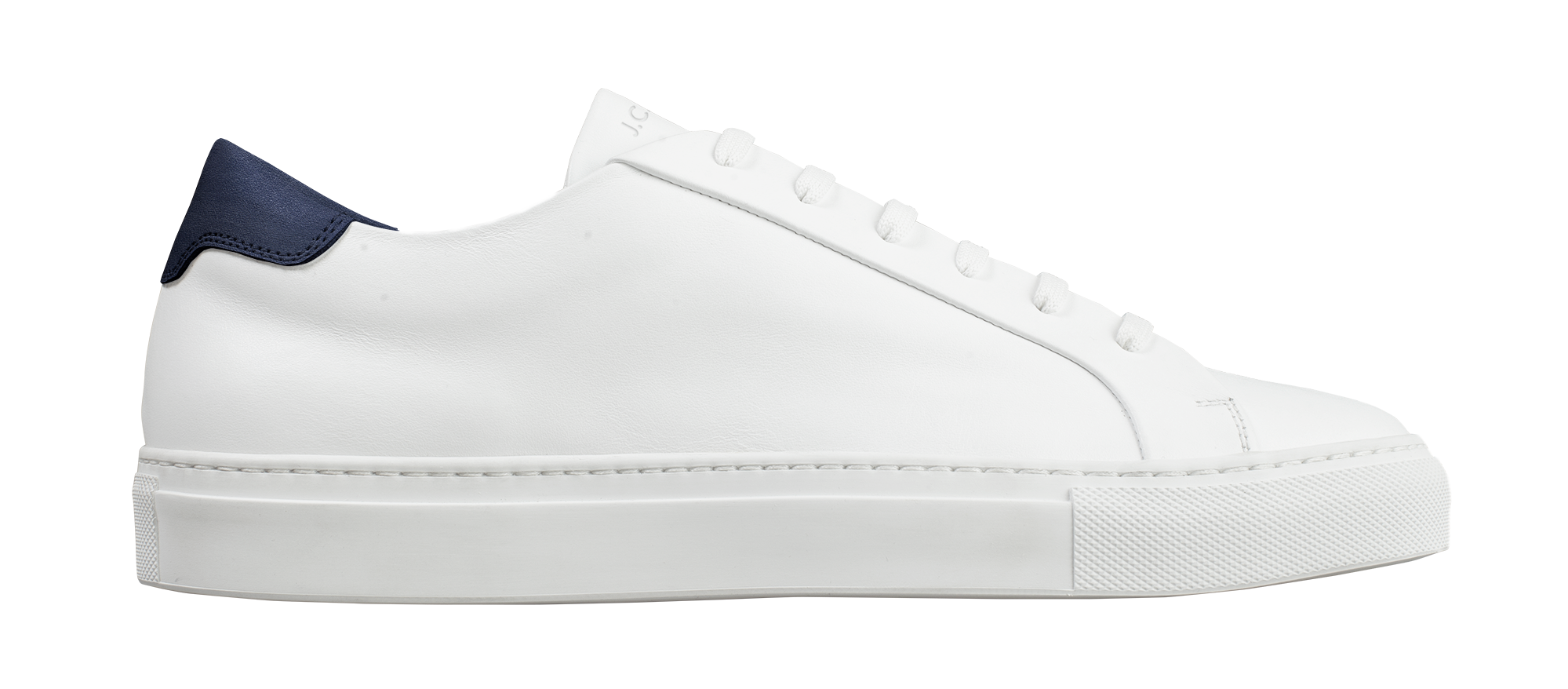
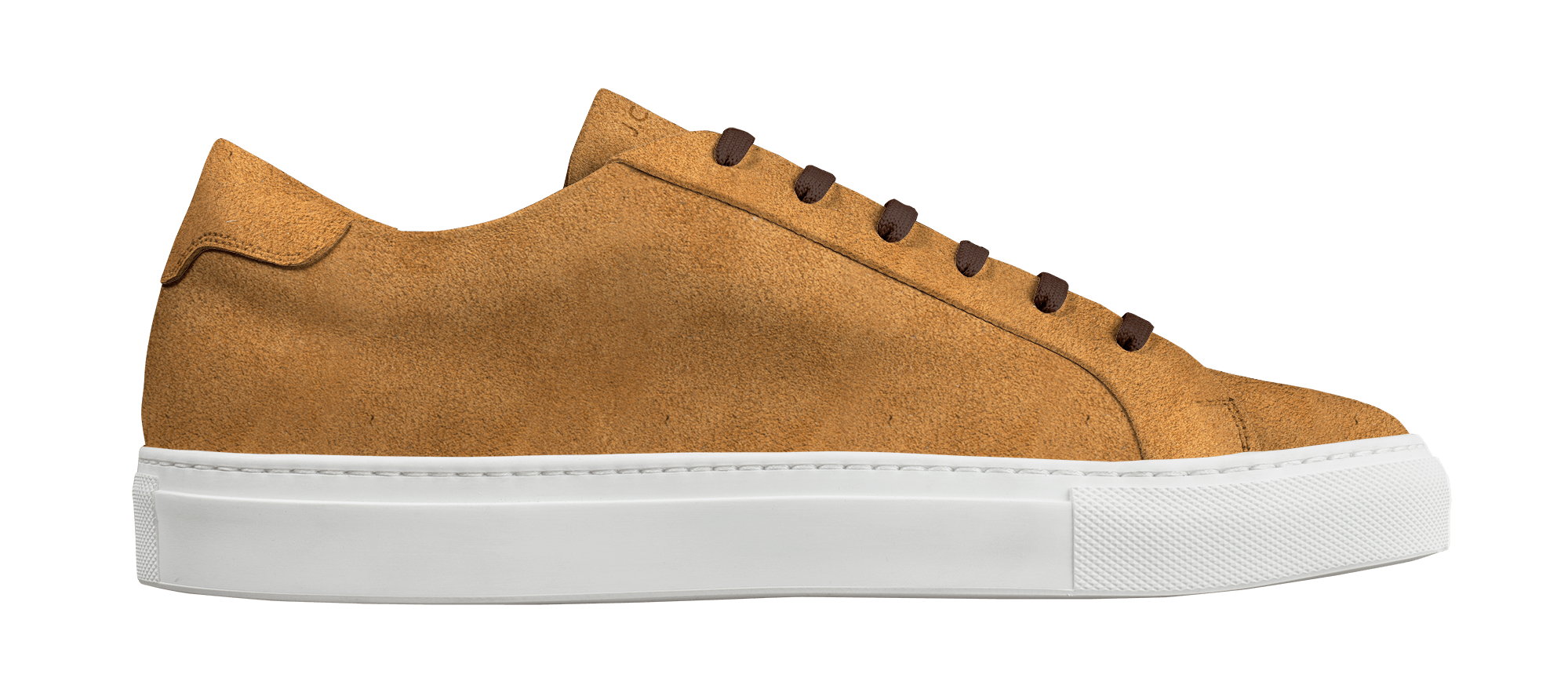
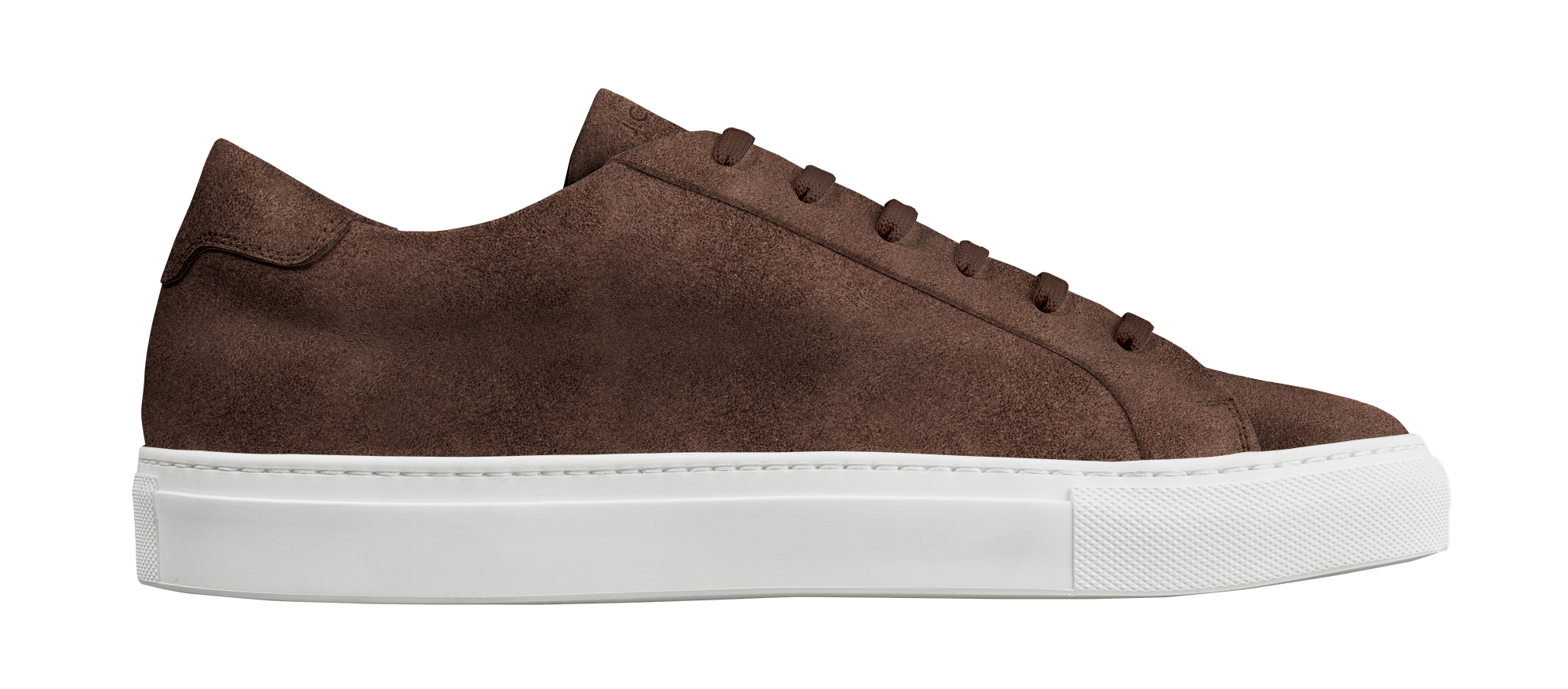
Suede is worked from the underside of the hide, producing a napped texture that is soft and pliable. J.C.LUTZ offers it as a third option. It benefits from regular brushing and specific care in wet conditions. These three are the only leather options in the configurator, and the distinctions between them are not decorative: they determine how the shoe ages, how it responds to a care routine, and how it performs across different wardrobe contexts.


How Each Pair Is Built

Every panel is hand-cut after a hide inspection for fiber direction and surface consistency. Edges are hidden-stitched with lining – no edge paint. Leather is vegetable-tanned and hand-painted at our Le Marche atelier. Every pair is reviewed individually as confirmation of the standard throughout. Details such as hidden lace guards and other subtle construction elements contribute to the refined appearance, while the full construction story is explored on the Italian Leather Sneakers page.


Made-to-Order and Custom Luxury Sneakers


Made-to-order production means every pair is built to a committed order: zero overstock and waste, no speculation. The last is fixed; everything else – leather, color, lining, outsole, laces, backstay, stitching, and personal text – is configured by the customer. The Inspirations page offers curated starting points that load directly into the design tool. For buyers researching custom luxury sneakers, the distinction that matters is between surface personalization and structural customization. J.C.LUTZ offers both, organized by shoe part. Ethical labor practices and EU-compliant sustainability standards are built into production at this scale, not added as declarations after the fact.


Care and the Argument for Owning Fewer, Better Pairs


Full-grain vegetable-tanned leather develops genuine patina through use. Surface-corrected calf leather ages more uniformly. Both benefit from a consistent care routine: light conditioning appropriate to the finish, rotation between pairs to allow internal moisture to dissipate, and shoe trees to preserve heel counter shape between wears. Suede requires specific attention in wet conditions rather than post-exposure correction.

The case for owning fewer, better pairs is a construction argument. A pair built on a cowhide midsole with a metal shank, hidden-stitched edges, and Le Marche master shoemakers behind it does not need seasonal replacement because it does not deteriorate in the way that lighter constructions do. That durability is a function of what sits beneath the leather, not the leather alone.